
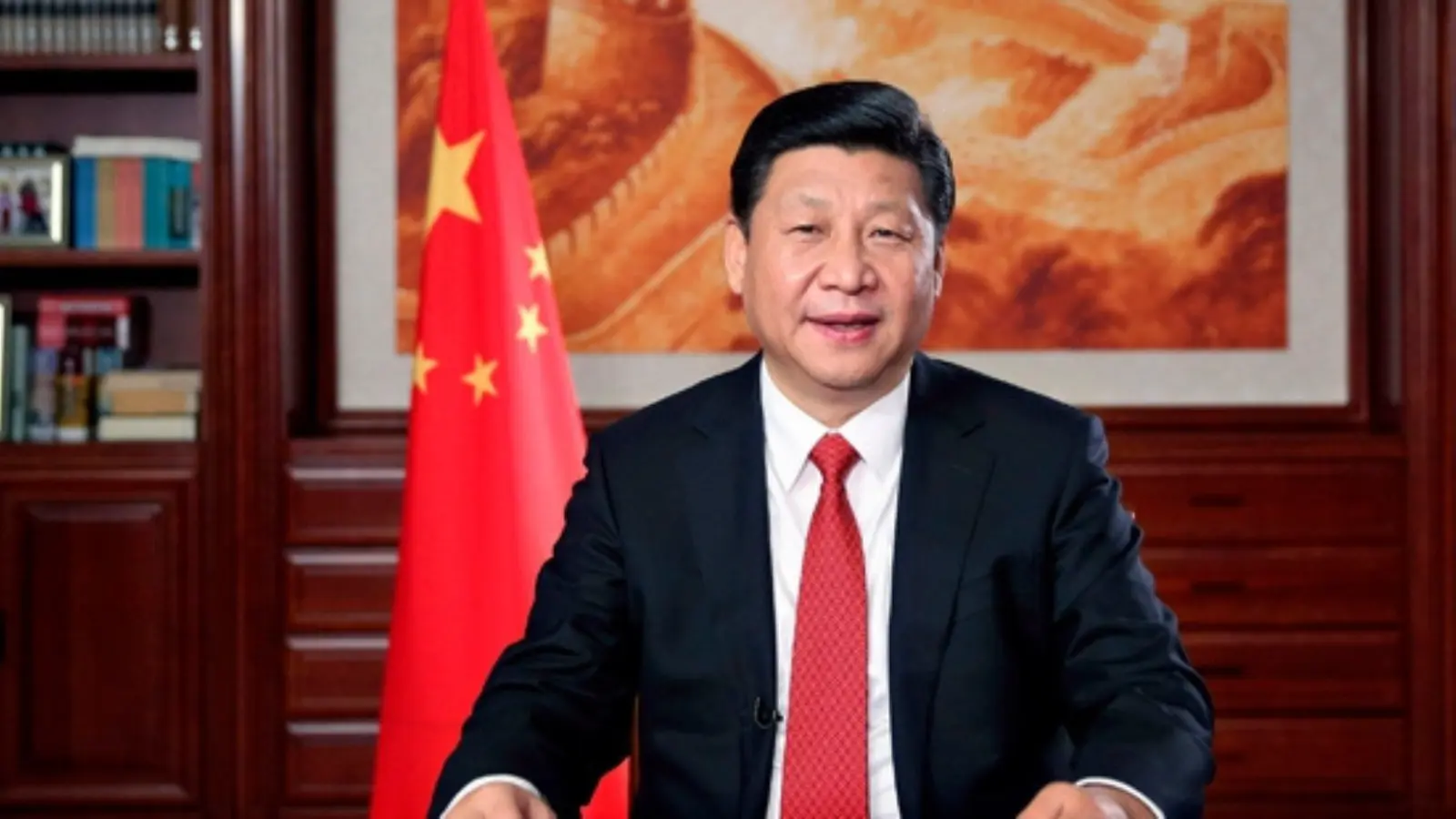
Search interest in Xi Jinping net worth is consistently high, reflecting global curiosity about the personal finances of the leader of the world’s second-largest economy. Investors, students, and policy watchers want clear answers—but reliable information is scarce. Unlike many business leaders whose wealth is disclosed through markets or filings, senior Chinese officials operate under a different transparency framework.
This article delivers a fact-checked, neutral, and Google-safe overview of what is known, what is estimated, and what remains undisclosed about Xi Jinping’s net worth, drawing on reporting standards and disclosures commonly cited by Forbes, Bloomberg, and Reuters. Where numbers are uncertain, that uncertainty is stated plainly.
What Does “Net Worth” Mean?
Net worth is the value of a person’s assets minus liabilities at a specific point in time. It typically includes:
- Assets: cash, investments, real estate, business interests, valuables
- Liabilities: loans, mortgages, other debts
Important: Net worth is a snapshot, not a guarantee. It fluctuates with asset prices, income changes, taxes, and legal disclosures.
Is Xi Jinping’s Net Worth Publicly Disclosed?
No. There is no official public disclosure of Xi Jinping’s personal net worth.
- China does not require top leaders to publish personal asset statements.
- International rich lists (e.g., Forbes billionaires) do not include Xi Jinping.
- Reputable outlets caution against treating unverified figures as fact.
As a result, any number circulating online should be treated as an estimate—or rejected if it lacks sourcing.
Current Estimated Net Worth (With Clear Disclaimers)
The short answer
There is no verified figure for Xi Jinping’s personal net worth.
What credible reporting suggests
- Personal income: Primarily from government salary and benefits tied to official roles.
- Estimated range: Some analysts infer a low single-digit million USD range based on lifetime public service compensation, but no authoritative source confirms a precise number.
Disclaimer: Estimates vary and figures fluctuate. Without audited disclosures, any numeric estimate remains approximate and non-definitive.
Main Sources of Wealth (What Can Be Reasonably Inferred)
1) Government Salary and Benefits
- Compensation associated with roles such as President of China and General Secretary of the Communist Party.
- Salaries for senior officials are modest by global executive standards.
2) State-Provided Benefits
- Housing, security, transportation, and staff are typically state-provided, reducing personal expenses but not equivalent to private assets.
3) Investments or Businesses?
- No verified evidence shows Xi Jinping personally holding public equity stakes, private companies, or large investment portfolios.
Ownership Stakes: What Is Known vs. Rumored
| Category | Verified Information | Status |
|---|---|---|
| Public equities | No confirmed holdings | Undisclosed |
| Private companies | No confirmed ownership | Undisclosed |
| Real estate | No audited disclosures | Undisclosed |
| Trusts/offshore | No verified filings | Unproven |
Key point: Claims about large personal holdings without primary sourcing should be treated with caution.
Family Wealth vs. Personal Net Worth (A Critical Distinction)
Investigative reports over the years have examined business activities of extended family members of Chinese leaders. These reports:
- Do not equate to the leader’s personal net worth.
- Often cover historical or indirect interests.
- Are typically followed by official denials or clarifications.
Conflating family business activity with personal wealth is misleading and avoided by responsible financial journalism.
Historical Context: How Perceptions Have Changed Over Time
- Pre-2012: Limited international focus on leaders’ personal finances.
- Post-2012: Greater scrutiny as China’s global influence expanded.
- Recent years: More emphasis on governance, policy outcomes, and macroeconomic impact than personal wealth figures.
Despite increased attention, verifiable numbers have not emerged.
Why Net Worth Figures Change Frequently (or Appear to)
- Lack of mandatory disclosure: No audited statements to anchor estimates.
- Media extrapolation: Assumptions based on salary or unrelated reports.
- Currency and valuation swings: Even small assets can vary with FX rates.
- Misinformation cycles: Unsourced figures repeated across platforms.
Global Economic Relevance (Why People Still Search This)
Understanding Xi Jinping’s net worth matters indirectly because of his role in shaping:
- Global trade and supply chains
- Financial regulation and capital flows
- Geopolitical risk and investment sentiment
- Climate, technology, and infrastructure policy
Bottom line: Markets care less about a leader’s personal wealth and more about policy direction—but transparency questions drive public curiosity.
Quick Facts Snapshot
- Name: Xi Jinping
- Role: President of China; General Secretary of the Communist Party
- Net worth: Not publicly disclosed
- Reliable estimate: No confirmed figure
- Primary income: Government salary and official benefits
- Inclusion on rich lists: No
Frequently Asked Questions (FAQ)
1) What is Xi Jinping’s net worth in 2026?
There is no verified public figure. Any number you see online should be treated as an estimate and not confirmed.
2) Is Xi Jinping a billionaire?
There is no credible evidence from Forbes, Bloomberg, or Reuters confirming billionaire status.
3) How does Xi Jinping earn his income?
Primarily through government salary and state-provided benefits associated with his official positions.
4) Why don’t we know the exact net worth?
China does not mandate public asset disclosures for top leaders, and there are no audited statements available.
5) Does family wealth count toward his net worth?
No. Personal net worth refers only to assets and liabilities owned by the individual, not extended family members.
Concise Summary
- Xi Jinping’s net worth is not publicly disclosed.
- No authoritative source confirms a specific figure.
- Estimates, where mentioned, are approximate and fluctuate.
- His economic significance comes from policy influence, not personal wealth.
This approach reflects journalistic standards, avoids speculation, and aligns with how leading financial outlets report on public officials.
