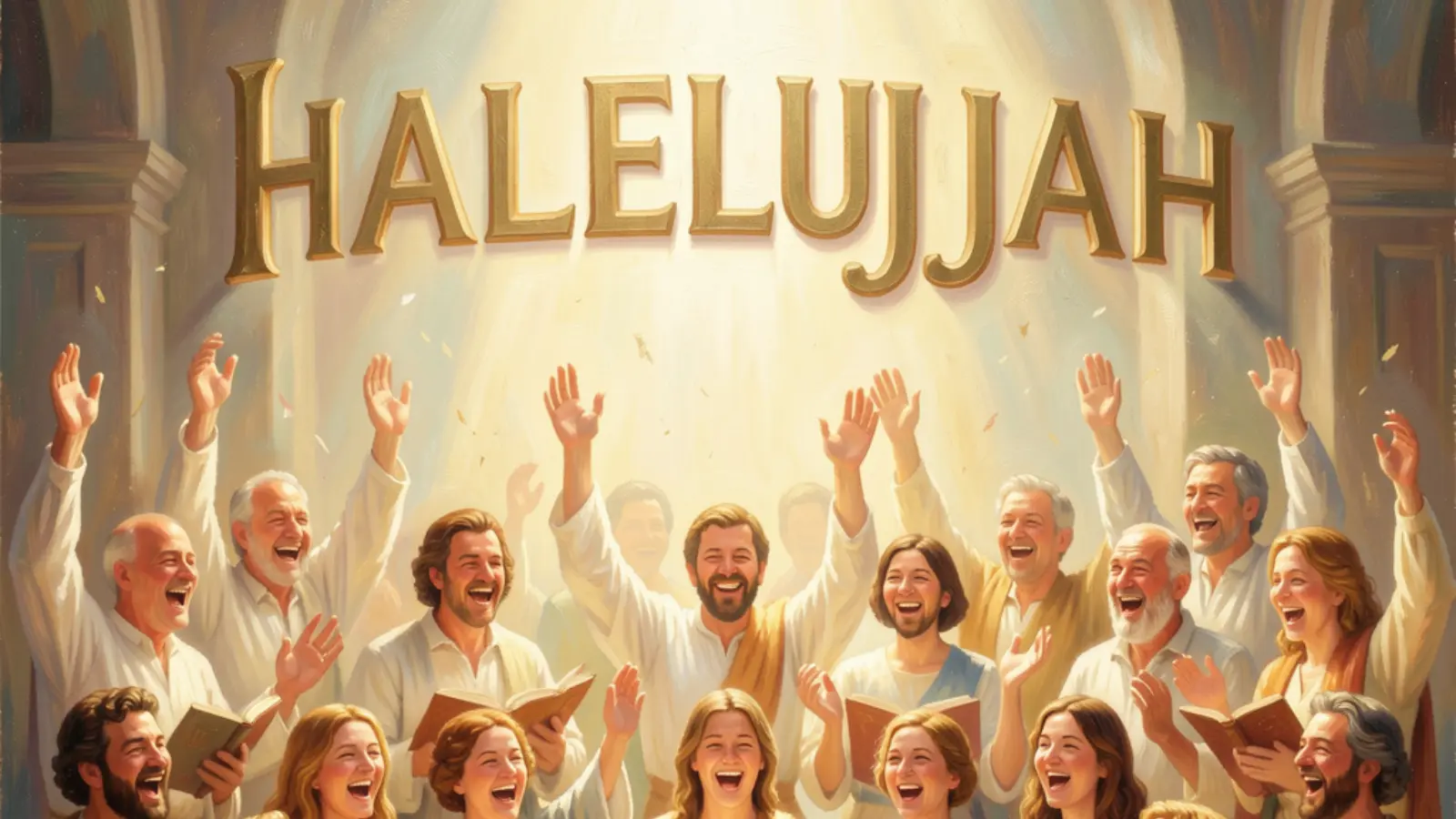
In recent years, the word “hallelujah” has been trending again across songs, social media captions, viral videos, memes, and everyday conversations. People see it in comments, hear it in music, or receive it in texts — and naturally wonder: what does hallelujah actually mean?
At its core, hallelujah means “praise the Lord” or an expression of joy, relief, gratitude, or victory. Today, it’s used both religiously and casually, depending on the situation and context.
⚡ Quick Answer: What Does Hallelujah Mean?
Hallelujah is an expression of happiness, praise, relief, or celebration. It originally comes from Hebrew and means “Praise God,” but today it’s often used to show excitement, gratitude, or emotional release.
📚 Meaning of Hallelujah in Different Contexts
What Does Hallelujah Mean in Texting and Messaging?
In texting, hallelujah is usually informal and emotional.
It can mean:
- Relief: “The exam is over — hallelujah!”
- Happiness: “I finally got the job, hallelujah!”
- Gratitude: “My phone is fixed, hallelujah 🙌”
Tone matters:
- 😊 Happy
- 😌 Relieved
- 🎉 Celebratory
It’s almost always positive in messages.
What Does Hallelujah Mean in Love and Relationships?
In romantic or emotional situations, hallelujah often expresses emotional relief or joy.
Examples:
- “You said yes… hallelujah ❤️”
- “We talked things out, hallelujah.”
In relationships, it can mean:
- Emotional relief
- Thankfulness
- A happy breakthrough
👉 It’s not directly romantic, but it can support romantic emotions.
What Does Hallelujah Mean in Slang and Casual Language?
In slang, hallelujah has moved beyond religion.
Casual meanings include:
- “Finally!”
- “Thank goodness!”
- “This worked out!”
Example:
- “The Wi-Fi is back — hallelujah!”
Here, it’s more about celebration than spirituality.
What Does Hallelujah Mean on Social Media?
On platforms like TikTok, Instagram, Snapchat, and Twitter, hallelujah is used for:
- Wins and achievements
- Glow-ups or transformations
- Emotional moments
- Funny or dramatic reactions
Caption examples:
- “New phone, hallelujah ✨”
- “Healing era — hallelujah 🙏”
- “After a long week… hallelujah.”
It adds drama, emotion, and emphasis to posts.
Spiritual or Symbolic Meaning of Hallelujah
Spiritually, hallelujah is a sacred word.
Origin:
- From Hebrew: “Hallelu” (praise) + “Yah” (God)
Spiritual meaning:
- Praise and worship
- Gratitude to God
- Faith and devotion
It’s commonly used in:
- Religious songs
- Prayers
- Worship services
- Spiritual expressions of gratitude
Numerology or Cultural Meaning of Hallelujah
While hallelujah doesn’t have an official numerology meaning, culturally it represents:
- Hope after struggle
- Victory after hardship
- Emotional release
In music and art, it often symbolizes:
- Healing
- Redemption
- Emotional truth
🧠 Real-Life Examples & How Context Changes Meaning
| Context | Example | Meaning |
|---|---|---|
| Text message | “Got my results — hallelujah!” | Relief |
| Love | “We’re back together, hallelujah” | Emotional joy |
| Social media | “Self-growth era ✨ hallelujah” | Celebration |
| Spiritual | “Hallelujah, praise be” | Worship |
Context decides whether it’s religious, emotional, or casual.
❓ Frequently Asked Questions (FAQs)
What Does Hallelujah Really Mean?
It means praise, joy, relief, or gratitude, depending on how and where it’s used.
Is Hallelujah Positive or Negative?
Almost always positive. It expresses happiness, relief, or appreciation.
Is Hallelujah Romantic?
Not directly, but it can be emotionally romantic when used during meaningful moments in a relationship.
How Should Someone Reply to Hallelujah?
You can reply with:
- “Yes! 🙌”
- “Finally!”
- “So happy for you!”
- “Well deserved!”
Match the emotion and energy of the moment.
🏁 Conclusion: Simple Meaning of Hallelujah
In simple words, hallelujah is a joyful expression. It can mean praise, relief, happiness, gratitude, or celebration. Whether it’s used in texts, love, social media, slang, or spirituality, the feeling behind it is usually positive and uplifting.
Now when you see or hear hallelujah, you’ll know exactly what it means and why people use it.
