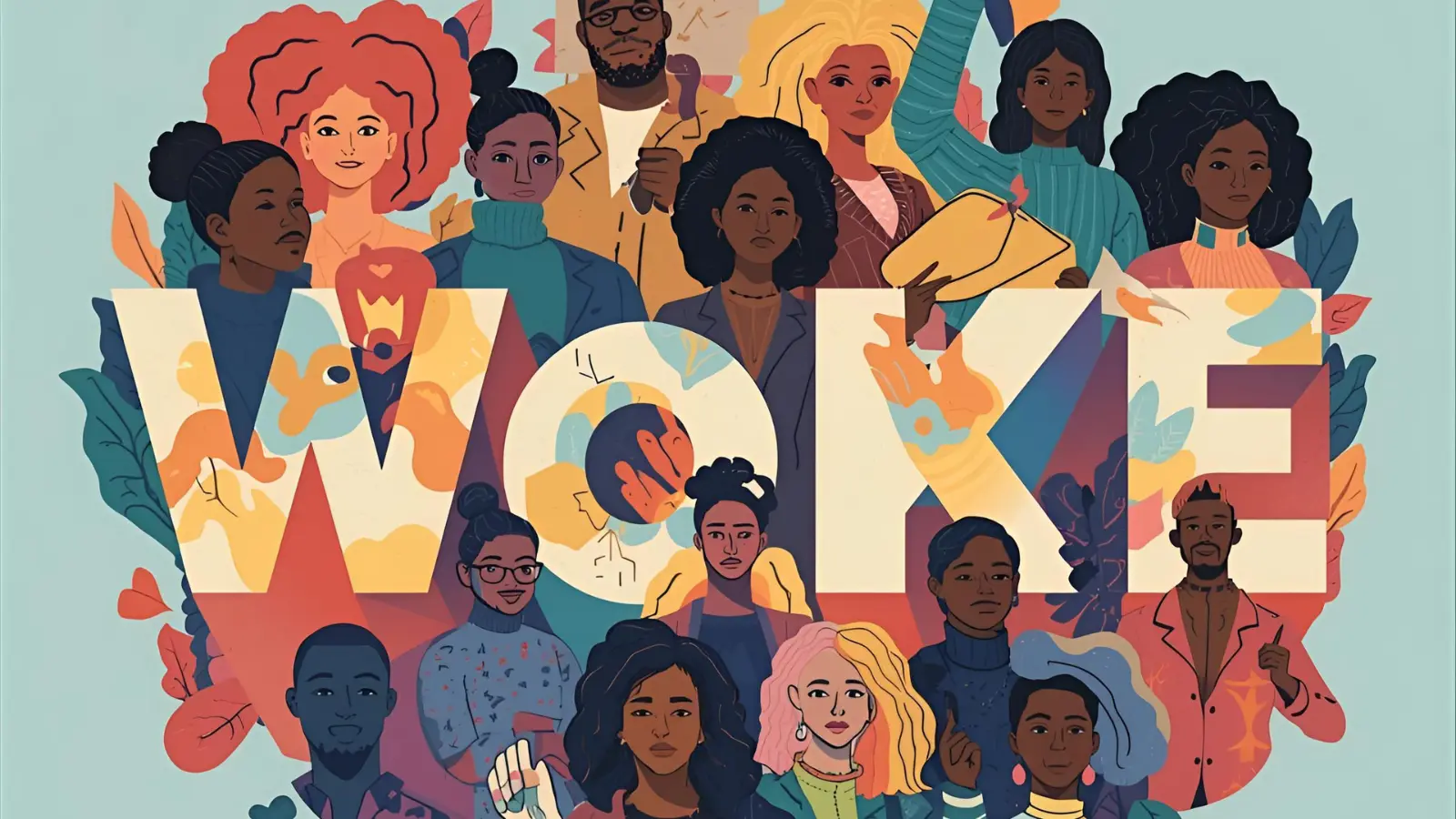
In recent years, the term “woke” has exploded across social media, headlines, and everyday conversations. But what does it actually mean? Is it just a buzzword or does it carry real weight in society?
If you’ve been scrolling through Twitter, TikTok, or Instagram and wondered why everyone seems to have an opinion, you’re in the right place. Let’s break it down in a way that’s simple, relatable, and totally Gen-Z approved.
Quick Answer
At its core, being “woke” refers to being aware of social injustices, inequality, and systemic issues.
It’s about recognizing the problems in society, like racism, sexism, and other forms of discrimination, and actively thinking about solutions.
Think of it as having your eyes open to the world and questioning the status quo.
The Origin of the Term
Many people don’t realize that “woke” has deep roots.
- Historical Background: The term originally comes from African-American Vernacular English (AAVE) and was used in the early 20th century to mean “stay alert” or “be conscious” of societal dangers.
- Civil Rights Era: During the 1960s, it became a way to encourage awareness of racial injustice.
- Modern Usage: Today, the term has expanded beyond race to include awareness of gender equality, LGBTQ+ rights, environmental issues, and more.
Woke vs. Being Ignorant
Understanding what it means to be socially aware also involves knowing what it isn’t.
- Being Woke: Engaging in conversations, listening, and supporting marginalized communities.
- Being Ignorant: Turning a blind eye, dismissing other people’s experiences, or avoiding difficult topics.
Example: If your friend shares a story about workplace discrimination, staying woke means acknowledging it and asking how you can help or learn more. Ignoring it? That’s the opposite.
How People Use the Term Today
The modern landscape has made “woke” a hot topic. Here’s how you’ll see it used:
- Positive Use:
- “She’s so woke, always speaking up for equality.”
- Celebrating awareness and activism.
- Negative Use:
- Sometimes, people use “woke” sarcastically, like “This is too woke for me.”
- Criticism often comes from those who feel social movements are “overboard.”
- Social Media Impact:
- TikTok trends, Instagram captions, and Twitter threads often revolve around being socially conscious or highlighting woke failures.
Woke Culture: A Deeper Look
“Woke culture” is a term you’ve probably heard. It refers to a broader movement of socially aware behaviors in society.
- Key Traits:
- Advocating for fairness and inclusion
- Supporting sustainable practices
- Challenging traditional power dynamics
- Controversies:
- Critics argue that sometimes, being “too woke” can lead to cancel culture or over-policing of language.
- Supporters say it’s necessary for progress and accountability.
Examples of Being Socially Aware
Let’s break it down with everyday examples:
- Online Spaces: Sharing verified information about climate change instead of just memes.
- Schools & Workplaces: Encouraging diversity in projects, presentations, or hiring.
- Daily Life: Listening to friends’ experiences with mental health or discrimination and taking action.
Scenarios You Might Relate To
- Scenario 1: Group Project
- You notice someone in your group is being ignored.
- Staying woke = Speaking up and making sure their voice is heard.
- Scenario 2: Social Media Debate
- Someone posts a harmful stereotype.
- Staying woke = Educating them respectfully or reporting it.
- Scenario 3: Environmental Choices
- You see friends using single-use plastics excessively.
- Staying woke = Offering alternatives and raising awareness.
The Evolution of Awareness
Language changes over time, and so does the meaning of awareness-related terms.
- From Activism to Meme Culture: Social media has both amplified and trivialized woke ideals.
- Generational Differences: Older generations might see “woke” as overhyped, while Gen-Z sees it as necessary awareness.
- Impact on Pop Culture: Music, TV shows, and movies increasingly highlight social consciousness, reflecting society’s values.
Tips to Stay Informed and Aware
Being socially conscious doesn’t mean you have to know everything. Here’s how to start:
- Listen More Than You Speak: Absorb perspectives different from your own.
- Check Your Sources: Only trust verified information.
- Engage in Community: Support local movements or online communities fighting for social justice.
- Self-Reflect: Challenge your own biases and be open to change.
- Educate Yourself: Read books, watch documentaries, and attend talks about societal issues.
Woke in Pop Culture
Pop culture has embraced and critiqued social awareness in various ways:
- Music: Artists call out injustice in lyrics and social campaigns.
- TV & Movies: Shows like Dear White People and documentaries highlight systemic problems.
- Fashion & Brands: Some brands promote inclusivity or sustainable fashion, showing social consciousness is marketable too.
Common Misunderstandings
Even with widespread usage, the term is often misunderstood.
- Not a Label for Virtue: Being aware doesn’t automatically make someone morally superior.
- Not Just a Trend: It’s more than a social media fad; it’s about genuine awareness.
- Nuanced, Not Black & White: You can be aware in some areas and still learning in others.
Why It Matters
Awareness matters because it:
- Encourages Empathy: Understanding others’ struggles helps create a kinder society.
- Promotes Equality: Highlighting unfair systems can lead to positive change.
- Builds Communities: Shared consciousness fosters collective action.
Conclusion
Understanding social awareness, whether you call it “woke” or simply being conscious, is about seeing the world through a more compassionate, informed lens.
It’s about questioning norms, listening to others, and acting when something is unfair. While the term has evolved and sometimes been misused, the essence remains: awareness, empathy, and action.
So next time you see a trending debate or a viral post, ask yourself—are you just scrolling, or are you truly aware? 🌍✨

Olivia captions mein warmth aur family-oriented vibes laati hai — anniversary posts ke liye cozy feels deti hai.