In today’s digital world, abbreviations, acronyms, and shorthand dominate our conversations. From texting to social media captions, it feels like everyone is dropping letters and symbols instead of typing full words.
One abbreviation that has stood the test of time, appearing in both historical and modern contexts, is SOS.
But what does it really mean, and why is it still relevant today? Let’s break it down in a fun, simple, and Gen-Z-friendly way.
Quick Answer
SOS is an internationally recognized distress signal. Originally used in maritime communication, it signals an emergency and a need for immediate help.
The letters themselves don’t technically “stand for” anything—they were chosen because they are easy to transmit in Morse code: ... --- ....
Think of it like the OG “help me!” across radio waves, texts, or even in memes today.
The Origins of SOS: A Blast from the Past
SOS has a fascinating history. Here’s a quick timeline:
- 1905: SOS was introduced as a global distress code by the German government.
- 1906: The International Radiotelegraphic Convention adopted it officially.
- 1920s: SOS became standard for all maritime distress signals, replacing older codes.
- Modern Era: SOS is now universally recognized for emergencies, whether at sea, in the air, or even in digital spaces.
Fun Fact: The letters weren’t chosen to stand for “Save Our Ship” or “Save Our Souls”—that’s just a catchy backronym. It was purely about simplicity in Morse code.
How SOS Is Used in Real Life
Even though we live in a tech-heavy world, SOS hasn’t lost its edge. Here’s where it pops up:
1. Maritime Emergencies
Ships in trouble at sea can signal distress using SOS via radio or lights. The pattern is simple: three short, three long, three short signals—easy to recognize even in rough weather.
2. Aviation Distress
Pilots use SOS in certain emergency situations to communicate they need immediate assistance.
3. Everyday Digital Life
- Texting: People type SOS when they’re in a sticky situation or overwhelmed.
- Social Media: Seen in posts when someone’s feeling overworked, stressed, or jokingly “drowning” in homework.
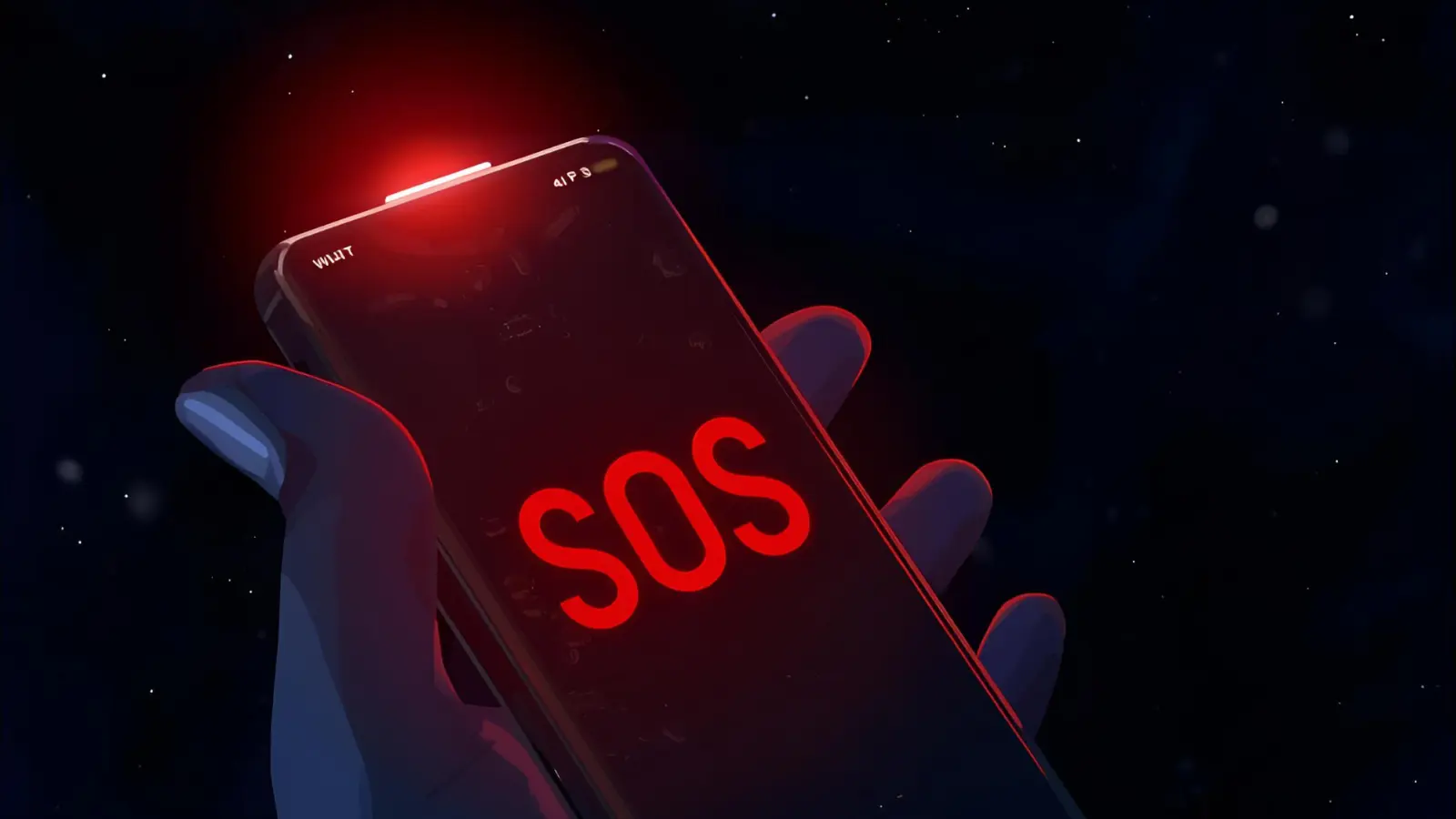
- Apps & Devices: Some phones have SOS features that automatically send location info to emergency contacts.
SOS in Pop Culture
SOS isn’t just for emergencies. It’s also a vibe. You’ll spot it everywhere in songs, movies, and memes.
- Music: Many artists use SOS to convey emotional or dramatic “help me” moments.
- Memes: “SOS, my life is falling apart” – classic meme energy.
- Gaming: Players often type SOS in chats when they need backup.
It’s basically a universal shorthand for “help, I’m in trouble,” but in a way that’s instantly recognizable.
Decoding the Meaning Behind SOS
Even though SOS is technically just a signal, people love adding their own meanings. Some common interpretations include:
- Save Our Souls – dramatic, emotional twist.
- Save Our Ship – maritime-style pun.
- Send Out Support – a modern digital take.
These are all creative ways humans personalize a simple signal to match the context of their problem.
Why SOS Is Still Relevant
You might wonder: “It’s the 2020s, why do we still need Morse code signals?”
Here’s why SOS remains a staple:
- Universality: Everyone understands it globally.
- Simplicity: Three letters, three dots, three dashes—it’s literally unmissable.
- Emergency Preparedness: Modern tech uses it in safety features. For example: smartphones and smartwatches have built-in SOS alerts.
- Cultural Legacy: It’s part of history and pop culture, making it recognizable beyond practical use.
Even in memes, the SOS energy communicates urgency or panic instantly.
Fun Examples of SOS in Everyday Life
Here’s how SOS sneaks into our daily digital chatter:
- Text Example: “SOS, I can’t handle this group project 😭”
- Instagram Caption: “Homework piling up like… SOS! 📚💀”
- Gaming Chat: “SOS, need healers in raid!”
- Emoji Version: “🚨😱 SOS 😱🚨”
It’s flexible, relatable, and, honestly, a little dramatic—just like us.
Tips for Using SOS Correctly
Whether you’re typing it online or sending a real-life emergency signal, here are some tips:
- Know Your Context: SOS is serious in real emergencies—don’t use it lightly with emergency services.
- Keep It Clear: If using SOS digitally, make sure your friends or followers understand the humor or urgency.
- Combine with Details: In actual emergencies, always provide location, nature of emergency, and your contact info if possible.
- Respect Its History: Remember, SOS isn’t just an abbreviation—it’s a life-saving signal that’s been around for over a century.
Variations of SOS
Just like language evolves, SOS has spawned modern variations:
- Mayday: Another emergency call, often used in aviation.
- Help!: The casual equivalent in texting or social media.
- Distress Signal Emojis: 🚨📢🆘 – fun, eye-catching alternatives for digital contexts.
These variations ensure that the “help” vibe is communicated effectively, whether online or offline.
SOS in Digital Tools and Safety Features
Many devices now integrate SOS as a safety measure:
- iPhone & Android: Long press the power button to send an SOS with your location.
- Smartwatches: Press a combo of buttons for emergency alerts.
- Apps: Some health apps or tracking tools have dedicated SOS functions.
Why this matters: In moments of danger, a single tap can alert authorities or loved ones immediately.
Common Misunderstandings About SOS
It’s easy to mix up SOS with other abbreviations or jokes:
- Not a Cry for Attention: In emergencies, it’s a legitimate signal.
- Not Limited to Sea or Air: Though it started with ships, SOS is versatile.
- Not Always Literal: Online, it often conveys stress or panic in a playful way.
Scenarios Where SOS Comes in Handy
- At Sea: A ship hits rough waters; radio SOS alerts rescue teams.
- On a Hike: You get lost; activating SOS on your smartwatch sends your GPS location to emergency contacts.
- Digital Overload: Finals week hits—posting “SOS” in your group chat signals “help me, I’m overwhelmed.”
- Gaming: You’re under heavy attack in an online game; typing SOS alerts teammates.
SOS adapts to both serious and playful contexts—making it timeless.
Why Gen Z Still Loves SOS
- Relatability: Life feels chaotic, and SOS is a fun shorthand for “I need help.”
- Memes & Humor: Easy to meme, easy to dramatize.
- Global Understanding: No matter your country, SOS is recognized.
It’s like a universal language for urgency, panic, or comedic exaggeration.
Conclusion: SOS Is More Than Just Three Letters
SOS is simple, memorable, and impactful. From maritime history to viral memes, this three-letter signal has evolved into a symbol of urgency, help, and even humor.
Whether you’re sending a literal emergency alert or jokingly texting friends about deadlines, SOS remains relevant across generations.
Next time you see it pop up in your messages, captions, or emergency alerts, remember: it’s not just shorthand—it’s a piece of history, a life-saving tool, and a modern-day meme all rolled into one.
Stay safe, stay informed, and maybe sprinkle a little SOS energy into your captions for fun. 😎

Michael simple aur deep captions likhta hai. Uska tone elegant hota hai, jo anniversary pictures ke liye short aur impactful lagta hai.