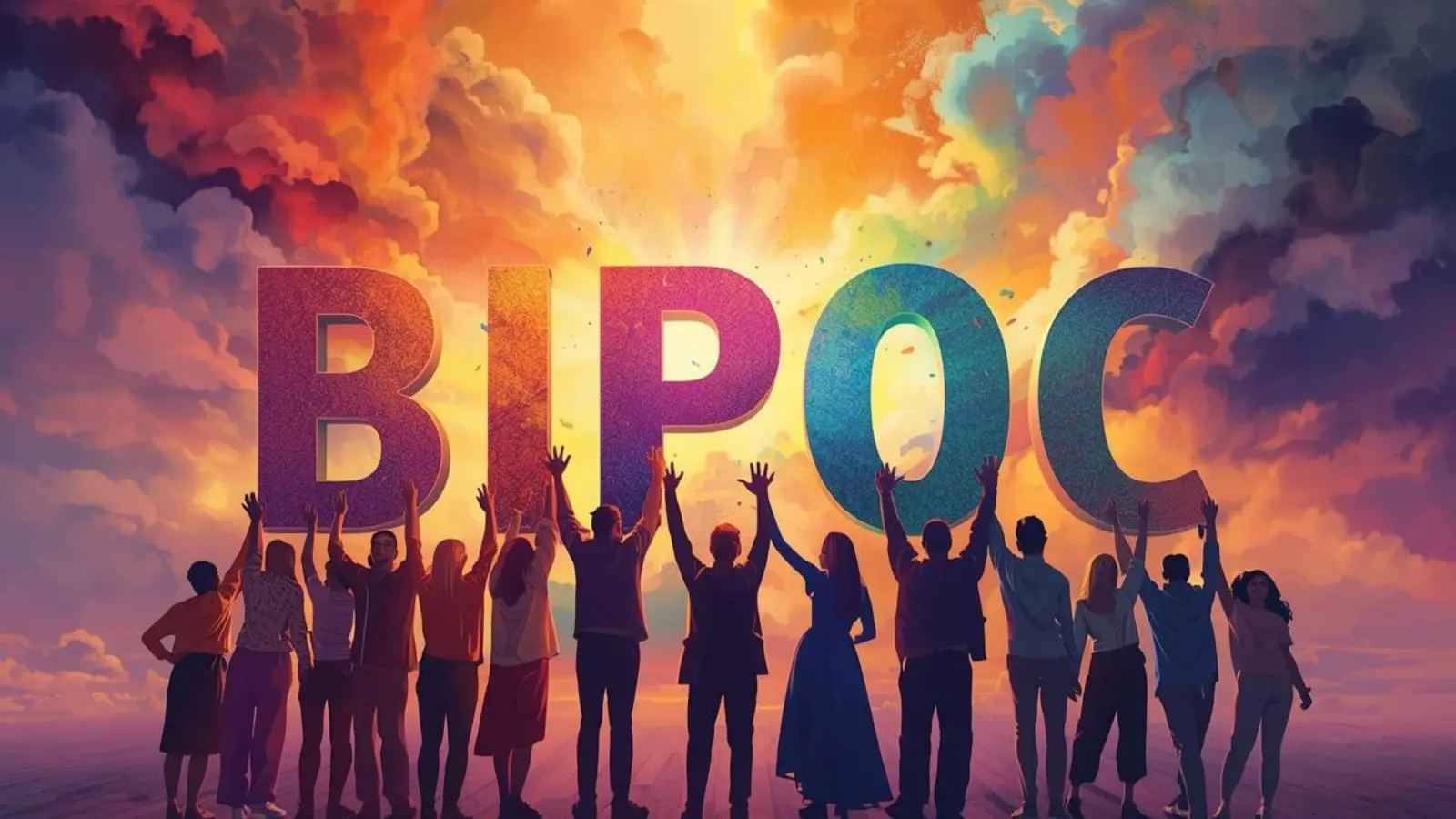
You may have seen the word BIPOC popping up in news articles, school discussions, social media posts, or workplace diversity conversations. As conversations around race, identity, and inclusion continue to grow globally, more people are searching to understand what this term really means—and how to use it correctly and respectfully.
BIPOC is a term used to describe specific racial and ethnic communities, and understanding it helps people communicate more thoughtfully in modern discussions about society and equality.
Definition (within 100 words):
BIPOC stands for Black, Indigenous, and People of Color. It is used to highlight the unique experiences of Black and Indigenous communities while also including other non-white racial groups.
⚡ Quick Answer
BIPOC means Black, Indigenous, and People of Color.
It is a collective term used to recognize the shared and distinct experiences of non-white communities, especially in social, cultural, and political contexts.
📚 What Does BIPOC Mean in Different Contexts?
## BIPOC in Texting and Messaging
In texting, BIPOC is usually used in informational or serious conversations, not casual chat.
Example:
- “This scholarship is specifically for BIPOC students.”
- “The event focuses on BIPOC voices in media.”
👉 It is not slang and is rarely used in jokes or casual banter.
## BIPOC in Love and Relationships
BIPOC is not a romantic term. However, it may appear in conversations about identity, culture, or shared experiences.
Example:
- “As a BIPOC couple, representation matters to us.”
It describes identity, not emotions or attraction.
## BIPOC in Slang and Casual Language
BIPOC is not slang.
It is a formal and respectful term commonly used in education, media, and advocacy.
Using it casually without understanding its meaning may sound inappropriate, so it’s best used thoughtfully.
## BIPOC on Social Media (TikTok, Instagram, Snapchat)
On social media, BIPOC is widely used in captions, hashtags, and awareness posts.
Common examples:
- #BIPOCVoices
- #SupportBIPOCCreators
- “Sharing resources for BIPOC communities.”
Creators often use the term to promote inclusion, visibility, and representation.
## Spiritual or Symbolic Meaning of BIPOC
BIPOC has no spiritual or symbolic meaning.
It is a social and cultural term, not connected to religion, spirituality, or symbolism.
## Numerology or Cultural Meaning of BIPOC
There is no numerology meaning associated with BIPOC.
Culturally, the term is important because it:
- Acknowledges historical inequality
- Centers Black and Indigenous experiences
- Promotes inclusive language
🧠 Examples & Real-Life Usage
Sample Sentences
- “The organization supports BIPOC-owned businesses.”
- “This workshop creates safe spaces for BIPOC youth.”
- “Media representation of BIPOC communities is improving.”
How Context Changes Meaning
| Context | Meaning |
| Education | Focus on inclusion and equity |
| Social media | Awareness and representation |
| Workplace | Diversity and belonging |
| Casual chat | Rarely used |
❓ Frequently Asked Questions (FAQs)
### What does BIPOC really mean?
BIPOC means Black, Indigenous, and People of Color. It highlights both shared and unique racial experiences.
### Is BIPOC positive or negative?
BIPOC is neutral to positive.
It is intended to be respectful and inclusive when used correctly.
### Is BIPOC a romantic term?
No. BIPOC is not romantic. It describes racial and cultural identity, not feelings or relationships.
### How should someone reply if BIPOC is mentioned?
You can reply respectfully, such as:
- “Thanks for explaining.”
- “I appreciate the awareness.”
- “That makes sense.”
There’s no special response required—just understanding.
🏁 Conclusion
In simple terms, BIPOC means Black, Indigenous, and People of Color. It is a modern, respectful term used to talk about race, identity, and inclusion—especially in education, media, and social discussions.
Now that you understand what BIPOC means, where it’s used, and what it doesn’t mean, you can recognize the term with confidence and clarity.
