
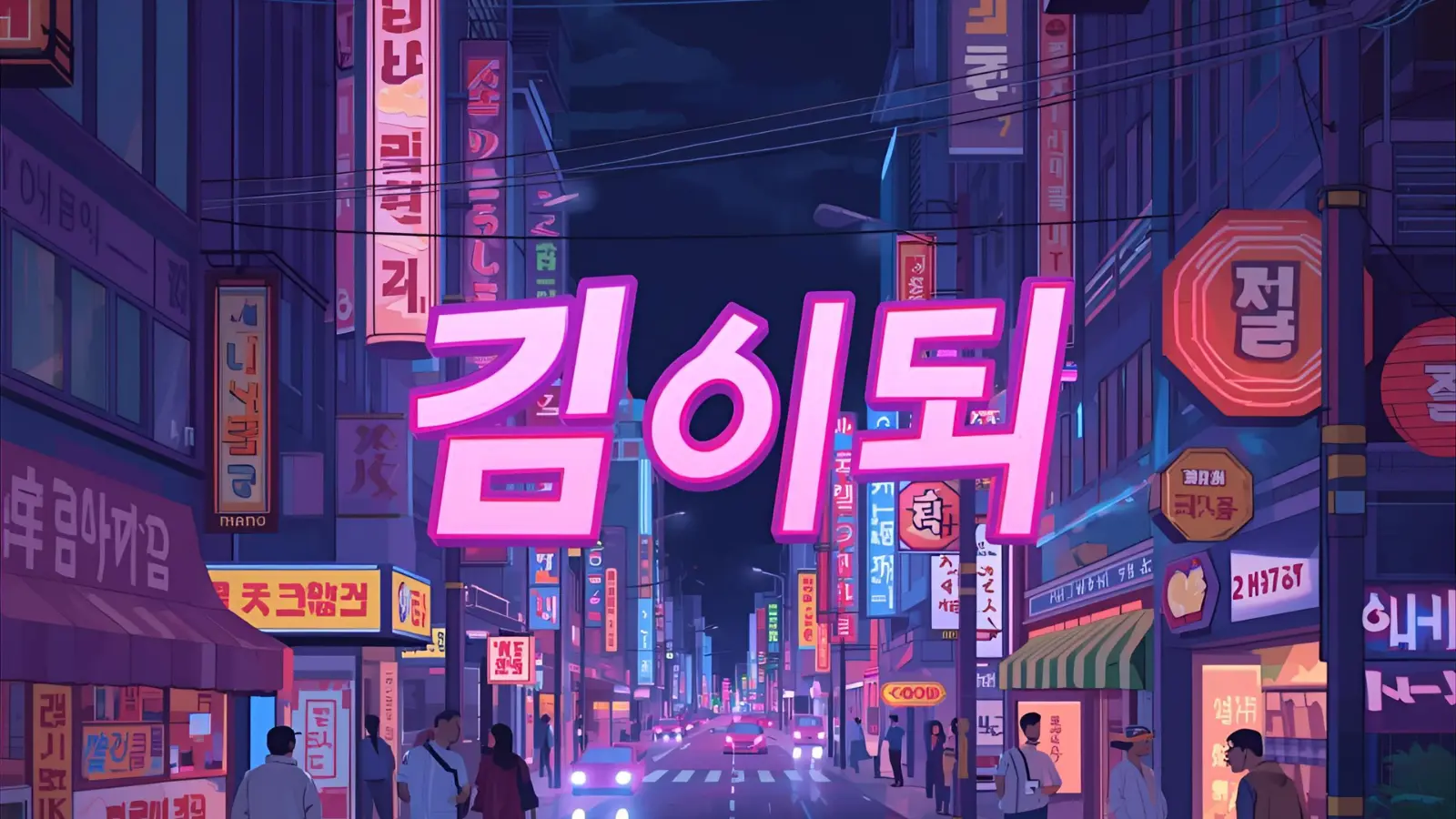
Korean pop culture is everywhere—music, fashion, K-dramas, memes, TikTok edits, and even daily chats. So it’s no surprise that the internet is obsessed with korean slang and how effortlessly cool it sounds.
Korean social media is packed with fun, short, playful expressions that Gen-Z uses to text, tease, compliment, and react.
If you’ve ever wanted to sound more natural, more trendy, or just understand what your bias is saying in that behind-the-scenes vlog—this guide is for you.
⭐ Quick Answer (TL;DR)
Korean internet slang is a mix of shortened words, meme expressions, abbreviations, and emotional reactions commonly used by teens and young adults.
These phrases help you sound casual, playful, and expressive in texting, gaming, K-pop communities, comments, and everyday chats.
They work just like English slang (like “slay,” “W,” “no cap,” “fr,” or “bet”). Use them in friendly conversations, subtitles, captions, and social media posts.
Why Korean Slang Is So Popular Now 🌏✨
There’s a reason global Gen-Z can’t resist Korean online culture:
- K-pop fandom communities create new expressions every week.
- K-drama dialogues introduce phrases that instantly become viral.
- TikTok edits spread cute reactions, abbreviations, and emotional slang.
- Gaming + Discord culture adopts fast, meme-based Korean texting styles.
- Short-form content loves anything energetic, expressive, and funny.
Modern Korean slang is punchy, emotional, and packed with personality—making it perfect for captions, chatting with friends, or just adding a little extra vibe to your messages.
Most Popular Korean Slang Every Gen-Z Must Know 💬⚡
1. 대박 (Daebak) — “Wow! Awesome!”
One of the most iconic words you’ll see in K-drama reactions.
How to use it:
- When something is impressive or unbelievable
- Like saying “OMG,” “insane,” or “that’s wild”
Examples:
- “You got tickets to the comeback concert? 대박!”
- “This game update is 대박.”
2. 헐 (Heol) — Shock, disbelief, or speechlessness
This is the Korean version of “no way…,” “what?!,” or a silent gasp.
Usage:
- Positive or negative shock
- Meme replies on Instagram/TikTok comments
Examples:
- Friend: “I lost my phone again.”
You: “헐…” - “Heol, that plot twist was crazy.”
3. ㅋㅋㅋㅋ (Kekeke) — Korean “LOL”
Korean laughter is typed as ㅋㅋㅋ or ㅎㅎㅎ.
Meanings:
- “lol”
- Soft giggle
- Sarcastic laugh
- TRY: More “ㅋ” = bigger laugh; lowercase “k” vibe
Examples:
- “You’re late again ㅋㅋㅋ”
- “ㅋㅋㅋㅋ that meme destroyed me”
4. 짱 (Jjang) — “The best,” “super,” “awesome”
A classic slang word still used casually.
Examples:
- “Your fit today is 짱.”
- “This café is 짱 cute.”
5. 꿀잼 / 노잼 (Kkul-jaem / No-jaem) — “Fun / Not fun”
Short and expressive.
Meanings:
- 꿀잼 = “so fun”
- 노잼 = “boring”
Examples:
- “This show is 꿀잼, you need to watch it.”
- “The meeting was 노잼.”
Cute Korean Slang for Texting & Talking Sweetly 💖📱
1. 애교 (Aegyo) — Cute behavior
Used when someone acts adorable on purpose.
Examples:
- “She did aegyo to ask for bubble tea.”
- “Too cute, that was pure aegyo.”
2. 뽀짝 (Ppojjak) — Tiny, cute, precious
A vibe word, perfect for TikTok comments.
Examples:
- “This edit is so 뽀짝.”
- “Your selfie? Extremely 뽀짝.”
3. 심쿵 (Sim-kung) — Heart-fluttering moment
The feeling you get from your crush or a cute scene.
Examples:
- “His smile = 심쿵.”
- “That edit made me 심쿵.”
Korean Slang for Compliments (Use These & Sound Like a Pro) 🌟📸
1. 존예 (Jonnyeo) — Extremely pretty
Short for “beautiful.”
Examples:
- “Girl, you’re 존예 today.”
- “Her outfit? 존예 vibes.”
2. 존잘 (Jonjal) — Handsome
Used widely in fandoms.
Examples:
- “The idol was so 존잘 in the photo.”
- “Bro is 존잘 IRL.”
3. 인싸 (Inssa) — Trendy, social, popular
Opposite of 아싸 (Assa) = introverted/loner vibe (not rude, just descriptive).
Examples:
- “You’re such an 인싸 with that playlist.”
- “I’m definitely an 아싸 at parties.”
Korean Slang for Social Media, Captions & Comments 🌐🔥
1. 셀카 (Selca) — Selfie
A combo of “self + camera.”
Examples:
- “Cute selca!”
- “Posting my selca dump today.”
TMI (티엠아이) — Too Much Information (same as English)
Still widely used in Korean texting.
Examples:
- “TMI but I had ramen at 2AM.”
- “Your TMI of the day?”
3. 갑분싸 (Gapbunssa) — Sudden awkward vibe
Stands for “갑자기 분위기 싸해짐.”
Meaning:
- “That killed the vibe.”
Example:
- “You mentioned homework at the party… 갑분싸.”
H2: Trendy Korean Slang You’ve Seen in Memes & Fandoms 🤳🌈
1. 스포 (Spo) — Spoiler
For K-dramas, comebacks, or movies.
Examples:
- “No 스포 please!”
- “This comment section is full of 스포.”
2. 존맛 (Jonmat) — Extremely delicious
Literally “super tasty.”
Examples:
- “This ramen is 존맛.”
- “Cafe brownies = 존맛.”
3. 화이팅 / 파이팅 (Hwaiting / Fighting) — “You got this!”
Energetic encouragement.
Examples:
- “Exam tomorrow? 화이팅!”
- “Let’s finish this level! 파이팅!”
H2: Fast Korean Abbreviations Gen-Z Uses Constantly ⚡⌨️
Popular Shortcuts:
- ㅇㅋ = OK
- ㄱㄱ = Go go / Let’s go
- ㅁㅊ = Crazy (informal)
- ㄴㄴ = No no
- ㅅㄱ = Good work / nice job
- ㅇㅈ? = Admit it? / “Right?”
- ㄱㅊ = It’s okay
Example conversation:
A: “Gaming tonight?”
B: “ㅇㅋ ㄱㄱ”
Korean Slang Reactions You’ll Hear Everywhere 🎙️⚡
1. 와 (Wa) — “Wow!!”
Short and punchy.
2. 아 (A) — Annoyed sigh
Used in texting when frustrated.
3. 헉 (Heok) — Shocked breath
Stronger than “헐.”
푸하하 (Puhaha) — Loud laughter
Used in playful chats.
How to Use Korean Slang Naturally (Without Sounding Cringe) 🎯✨
1. Use it with people your age
Slang is extremely casual.
2. Don’t use slang with older Koreans
Honorific culture matters. Save slang for friends, fandoms, and online chats.
3. Start small
Use one or two phrases per sentence.
4. Use the right vibe
For funny moments → ㅋㅋㅋ
For cute moments → 뽀짝
For mind-blown moments → 헐
5. Watch K-content for context
You’ll understand when certain slang feels natural.
Sample Conversations Using Korean Slang 🗨️💡
⭐ Chat with a friend:
A: “Bro the new MV??”
B: “대박. I screamed ㅋㅋㅋㅋ.”
A: “The main dancer is 존잘 fr.”
B: “I know… I was 심쿵 😭.”
⭐ Planning a hangout:
A: “Cafe after school?”
B: “ㅇㅋ ㄱㄱ.”
A: “Heard their brownie is 존맛.”
B: “Let’s gooo 화이팅!”
⭐ Reacting to a selfie:
A: “Do I post this selca?”
B: “Yes, you look 존예.”
A: “Stoppp.”
B: “No fr, it’s so 뽀짝.”
Why Learning Korean Slang Improves Your Korean Fast 🚀🧠
Using slang helps you:
- Understand social media comments
- Connect with fandom communities
- Decode livestream chats
- Catch jokes in K-dramas
- Sound natural instead of textbook-formal
- Enjoy memes without translation
Gen-Z language is the “real-life Korean” that young people actually use every day.
Conclusion 🌈🎤
Korean slang is more than just trendy words—it’s a whole vibe, a cultural language, and the heartbeat of modern K-culture. Whether you’re watching K-dramas, following your favorite idols, texting friends, or commenting on reels, these expressions make conversations more fun, emotional, and natural.
The more you practice, the easier it becomes. Start with simple expressions like 헐, 대박, and ㅋㅋㅋ, then slowly add cute or funny ones. Before you know it, you’ll be texting and reacting like a true Seoul Gen-Z native.

Ethan ka style straightforward aur romantic hai — anniversary vibes ke liye short & sweet captions.