
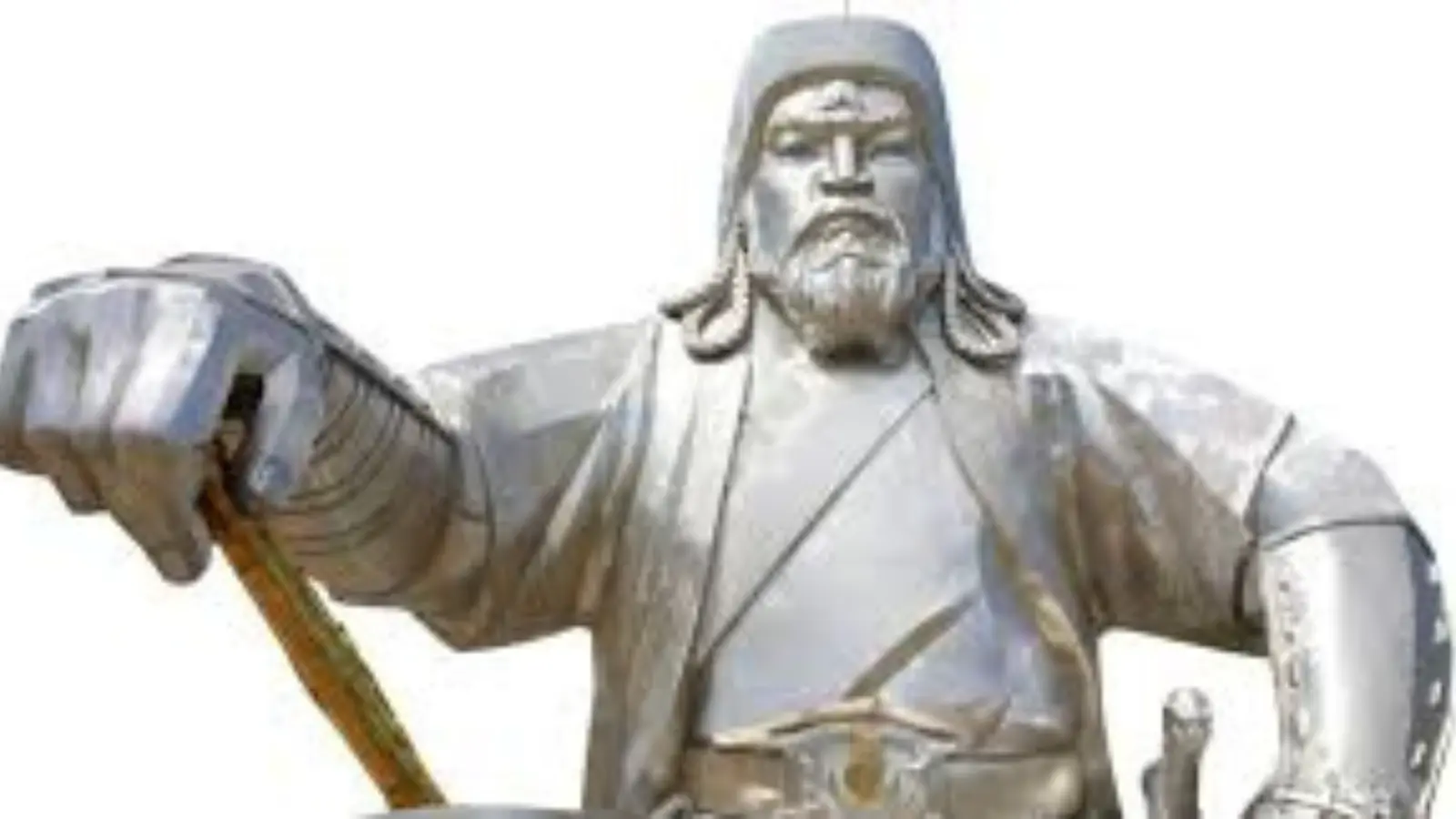
Many people search online for “Genghis Khan net worth,” expecting a number similar to those assigned to modern billionaires. However, Genghis Khan lived more than 800 years ago, long before modern financial systems, private ownership laws, or personal wealth tracking existed.
Because of this, there is no verified or officially published net-worth figure for Genghis Khan from authoritative financial sources such as Forbes, Bloomberg, or Reuters. This article explains why a traditional net worth cannot be calculated, how historians instead measure economic power, and what Genghis Khan’s financial influence looked like in historical terms.
What Is Net Worth?
In modern economics, net worth is defined as:
Total assets minus total liabilities
For people living today, this includes:
- Cash and bank holdings
- Real estate
- Business ownership and shares
- Investments such as stocks or bonds
- Outstanding debts
This calculation relies on:
- Clear legal ownership
- Market pricing
- Written financial records
None of these systems existed in the 13th century in a form comparable to today.
Can Genghis Khan Have a Net Worth?
No, not in the modern sense.
Genghis Khan was an emperor, not a private individual with personal assets. Wealth during his time was tied to political control, not personal ownership.
Why no verified figure exists
- There were no personal financial records
- Land was state-controlled, not privately owned
- Wealth was distributed through tribute systems, not bank accounts
- No standardized global currency or valuation method existed
As a result, modern financial publications do not estimate or rank his net worth.
Important note: Any dollar amount assigned to Genghis Khan online is a modern approximation, not a verified financial fact.
Common Online Estimates (Context Only)
Some educational articles attempt to convert the Mongol Empire’s size or influence into modern dollars. These figures often range from hundreds of billions to trillions of USD.
Why these figures are unreliable
- They represent imperial control, not personal wealth
- Methodologies differ widely
- They are not supported by audited or primary financial data
| Estimate Type | Meaning | Accuracy |
|---|---|---|
| Personal net worth | Private wealth | Not applicable |
| Imperial value | Controlled land/resources | Rough estimate |
| Economic influence | Share of global output | Academic modeling |
Sources of Economic Power
Instead of wealth accumulation, Genghis Khan’s power came from control and administration.
1. Territorial Expansion
The Mongol Empire became the largest contiguous land empire in history, spanning:
- East Asia
- Central Asia
- Eastern Europe
This allowed control over:
- Farmland
- Trade routes
- Population centers
2. Tribute and Taxation
Conquered regions paid tribute in:
- Precious metals
- Agricultural products
- Livestock and textiles
These resources funded:
- The military
- Governance
- Infrastructure
They were not stored as personal riches.
3. Trade Facilitation
The Mongols secured major trade routes, including parts of the Silk Road, which:
- Increased cross-continental commerce
- Reduced trade barriers
- Encouraged economic exchange between East and West
Did Genghis Khan Live Lavishly?
Historical accounts suggest he did not.
- He avoided luxury palaces
- Wealth was redistributed to soldiers and families
- Resources were used to strengthen loyalty and stability
This approach helped maintain unity across vast territories.
Economic Growth Over Time (Influence-Based)
Rather than tracking wealth, historians look at territorial and economic expansion.
| Period | Economic Impact |
|---|---|
| Early 1200s | Tribal unification |
| 1215 | Control of major Chinese cities |
| 1220s | Expansion across Central Asia |
| By 1227 | Empire influencing much of Eurasia |
Economic influence grew with territory, not investment returns.
Why “Net Worth” Figures Keep Changing Online
Modern estimates vary because:
- Different historians use different assumptions
- Converting medieval economies to modern USD is speculative
- Inflation over centuries cannot be calculated precisely
This makes any single number unstable and unreliable.
Global Economic Importance Today
Although Genghis Khan has no measurable net worth, his impact remains significant:
- Encouraged early globalization
- Reshaped Eurasian trade
- Influenced political and economic structures still studied today
He is analyzed in:
- World economic history
- Trade development studies
- Political economy research
Frequently Asked Questions (SEO & Voice Search Ready)
What was Genghis Khan’s net worth?
There is no verified net worth. Modern financial authorities do not publish figures for medieval rulers.
Was Genghis Khan the richest person in history?
No confirmed evidence supports this claim. Such statements rely on speculative comparisons.
Did Genghis Khan personally own the Mongol Empire?
No. The empire was state-controlled and administered through leaders and governors.
Does Forbes list Genghis Khan?
No. Forbes ranks only modern individuals with verifiable financial records.
How should his wealth be understood?
As historical economic influence, not personal financial wealth.
Final Summary
- Genghis Khan has no verified net worth
- Modern financial metrics do not apply to medieval empires
- Claims of extreme wealth are speculative and unverified
- His true legacy lies in economic influence and global history, not personal riches
