
If you’ve been scrolling through K-dramas, K-pop content, or social media, you’ve likely come across the term “unnie” and wondered what it actually means.
With the global rise of Korean culture, more people are searching for this word to understand how to use it correctly.
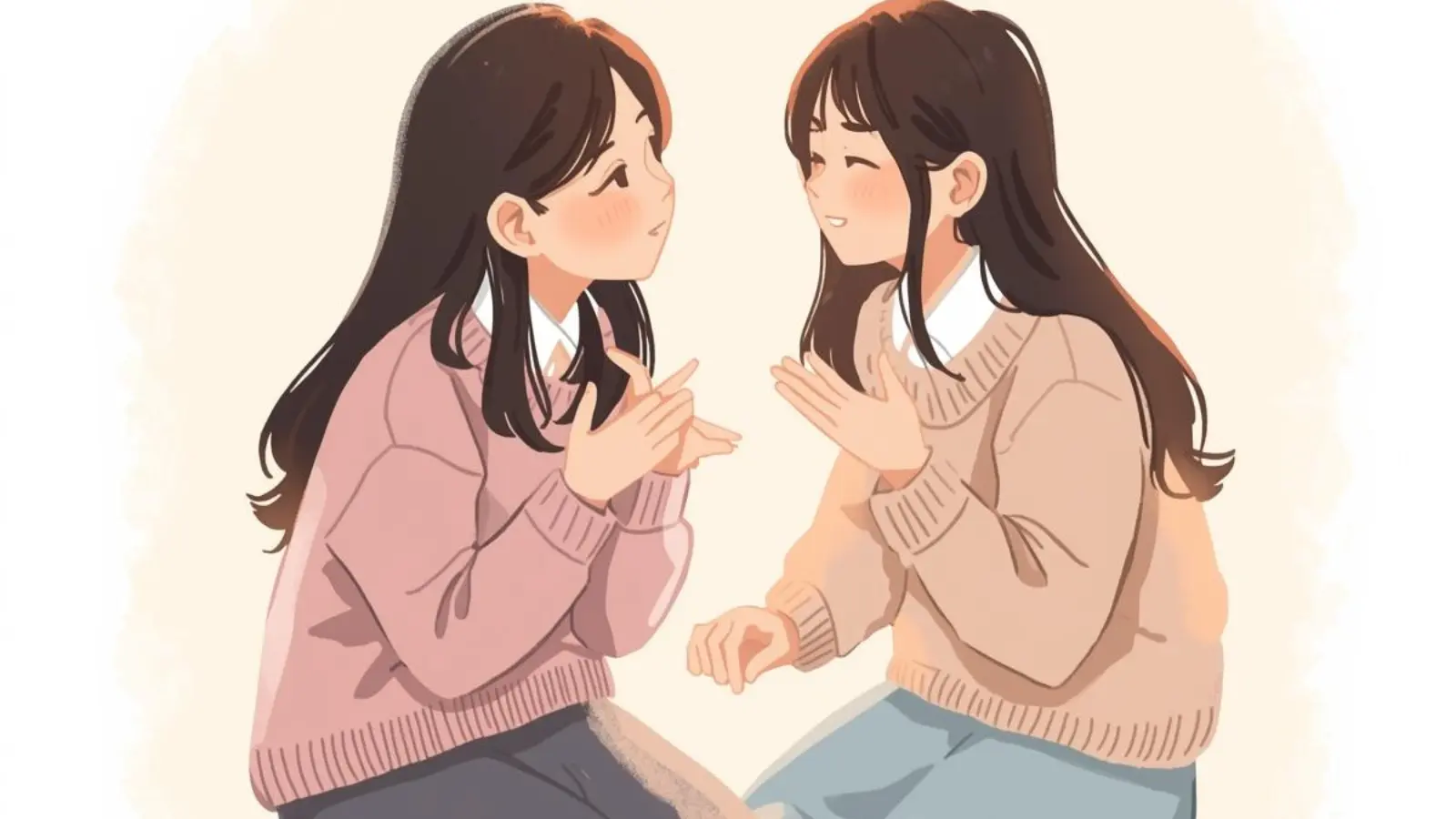
In simple terms, “unnie” is a Korean word used by females to address an older sister or a close older female friend, showing respect, affection, and familiarity.
Understanding unnie is not just useful for language learners—it also helps you better connect with Korean culture online and offline.
⚡ Quick Answer
Unnie (언니) is a Korean term used by a female to address an older sister or an older female friend. It conveys friendship, respect, and closeness, depending on the context.
📚 Meaning of Unnie in Different Contexts
In Texting and Messaging
In casual text conversations, girls often use unnie to refer to a close friend who is older. For example:
- “Unnie, did you see that new K-drama?”
- “Thanks for helping me, unnie!”
Here, unnie shows both respect and warmth, making conversations feel friendly and intimate.
In Love and Relationships
While unnie is mostly a platonic term, it can appear in romantic contexts if a woman is affectionately teasing or addressing an older female character or friend. It can also be used in roleplay scenarios in K-dramas or Korean web novels.
In Slang and Casual Language
On the streets or in everyday conversations, unnie is often used loosely among young women to address older friends. It’s considered polite yet casual, striking a balance between formality and friendliness.
On Social Media Platforms
On platforms like TikTok, Instagram, and Snapchat, unnie is widely used in captions, comments, or even usernames. Examples include:
- “My unnie taught me this dance move!”
- “Shopping with unnie vibes!”
Here, the term not only signifies a relationship but also trendy Korean culture influence.
Spiritual or Symbolic Meaning
Although unnie doesn’t have a spiritual meaning, it symbolizes trust, guidance, and protection in Korean culture. An unnie often acts as a mentor or role model for younger girls.
Numerology or Cultural Meaning
Culturally, using unnie appropriately is important in Korea. Addressing someone older incorrectly can be seen as disrespectful. It reinforces the value Koreans place on age hierarchy, respect, and familial-like bonds.
🧠 Examples & Usage
Here are some real-life examples showing how context changes the meaning:
| Context | Example | Meaning |
| Texting | “Unnie, let’s grab coffee!” | Friendly and casual invitation |
| K-drama | “Unnie, you’ve always supported me.” | Respect and affection |
| Social Media | “OOTD with my unnie!” | Trendy, fun, and relatable content |
Notice how tone and relationship affect how unnie is interpreted.
❓ Common Questions About Unnie
1. What does unnie really mean?
It means older sister or older female friend, depending on context.
2. Is unnie positive or negative?
It’s always positive, showing affection, trust, and respect.
3. Is unnie romantic?
Usually no, but it can appear in romantic roleplay or teasing scenarios in media.
4. How should someone reply to unnie?
Responses vary: simple acknowledgment works, e.g.,
- “Yes, unnie!”
- “Thanks, unnie!”
🏁 Conclusion
In summary, unnie is a versatile Korean term used by females to address older sisters or close older female friends.
It carries tones of respect, affection, and camaraderie, making it a staple in Korean daily life, social media, and pop culture.
Next time you see unnie, you’ll know exactly how to interpret and use it.

Michael simple aur deep captions likhta hai. Uska tone elegant hota hai, jo anniversary pictures ke liye short aur impactful lagta hai.