High hemoglobin levels have recently become a trending health topic, with more people curious about what it signifies for their overall well-being. Whether flagged during a routine blood test or noticed due to symptoms like fatigue or headaches, understanding high hemoglobin is essential for maintaining optimal health.
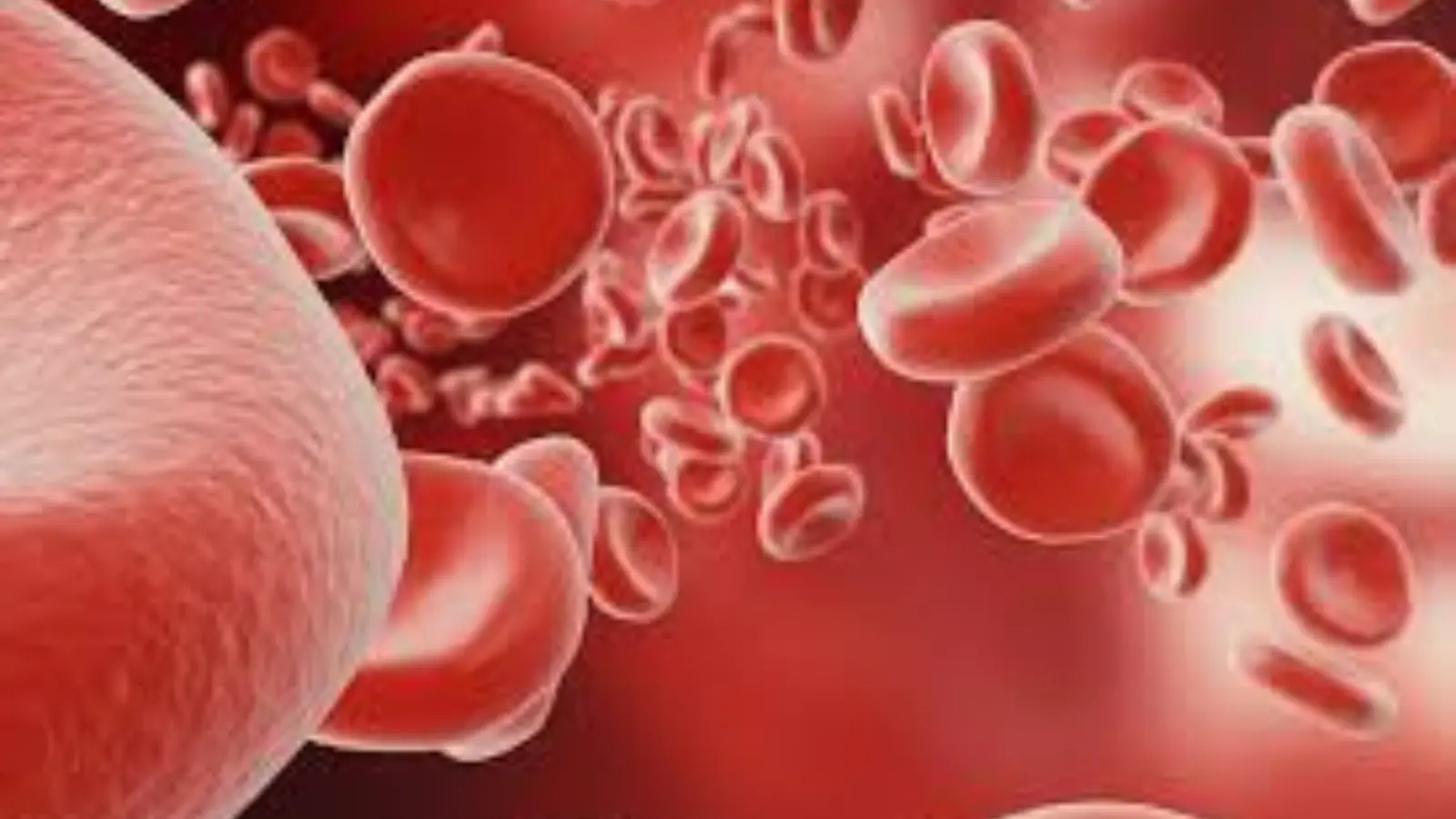
High hemoglobin refers to having more hemoglobin—a protein in red blood cells that carries oxygen—than the normal range. Elevated levels can indicate underlying health conditions or lifestyle factors that need attention.
⚡ Quick Answer
High hemoglobin means your blood has an increased amount of hemoglobin, the protein responsible for carrying oxygen. It can occur due to medical conditions, lifestyle factors, or environmental influences like high altitude.
📚 Understanding High Hemoglobin in Different Contexts
In Health and Medical Terms
In medical terms, high hemoglobin often signals polycythemia, dehydration, lung disease, or other conditions affecting oxygen levels. Doctors usually recommend further tests to identify the cause and determine if treatment is necessary.
Normal ranges (approximate):
- Men: 13.8–17.2 g/dL
- Women: 12.1–15.1 g/dL
Elevated hemoglobin may lead to thicker blood, increasing the risk of blood clots or cardiovascular issues if left unchecked.
In Lifestyle and Fitness
For athletes or people living at high altitudes, slightly higher hemoglobin levels may be normal. Physical training or oxygen scarcity can naturally increase hemoglobin to improve oxygen delivery to muscles.
In Diet and Nutrition
Certain foods and supplements, like iron-rich foods, can raise hemoglobin levels. However, an excessively high level due to diet alone is rare and usually harmless if within a moderate range.
On Social Media
While high hemoglobin is not commonly used as slang online, wellness communities and health influencers often discuss it in terms of blood health tips or fitness optimization. Hashtags like #bloodhealth or #hemoglobin might appear in related posts.
Spiritual or Symbolic Meaning
In some wellness and spiritual circles, blood health, including hemoglobin levels, is seen as a reflection of vitality, energy, and life force. High hemoglobin might symbolically represent strong life energy or robust physical health.
Cultural or Numerology Associations
While high hemoglobin itself has no direct numerology significance, in cultures that value blood tests as a sign of health, elevated levels may be interpreted as strength or resilience.
🧠 Examples & Usage
Here’s how high hemoglobin is discussed in real-life scenarios:
- Medical context: “My doctor said my hemoglobin is high; we need to check for underlying conditions.”
- Fitness context: “Training at high altitude increased my hemoglobin naturally.”
- Social media context: “Boost your hemoglobin naturally with iron-rich foods!”
Context matters:
- In a medical report, it’s a warning.
- In fitness, it can be positive.
- Online discussions often mix health advice and personal experiences.
❓ Common Questions About High Hemoglobin
What does high hemoglobin really mean?
It means your blood carries more oxygen than normal, often due to medical, environmental, or lifestyle factors.
Is high hemoglobin positive or negative?
It can be both. Slightly high levels may be normal for athletes, but extremely high levels can be risky.
Is high hemoglobin romantic?
No, it’s strictly a health-related term.
How should someone reply to this term?
If a doctor mentions high hemoglobin, ask about causes, risks, and possible treatment options.
🏁 Conclusion
High hemoglobin is an important health indicator showing that your blood carries oxygen efficiently. While slightly elevated levels can be normal, significantly high hemoglobin may signal underlying medical conditions. By understanding the causes and implications, you can take the right steps toward maintaining healthy blood and overall wellness.
