The term DLC is trending because people keep seeing it in text messages, gaming discussions, social media posts, and online chats—and not everyone knows what it means. From gamers talking about new content to friends using it casually in messages, DLC has multiple meanings depending on context. That’s why so many people are searching for what does DLC mean today.
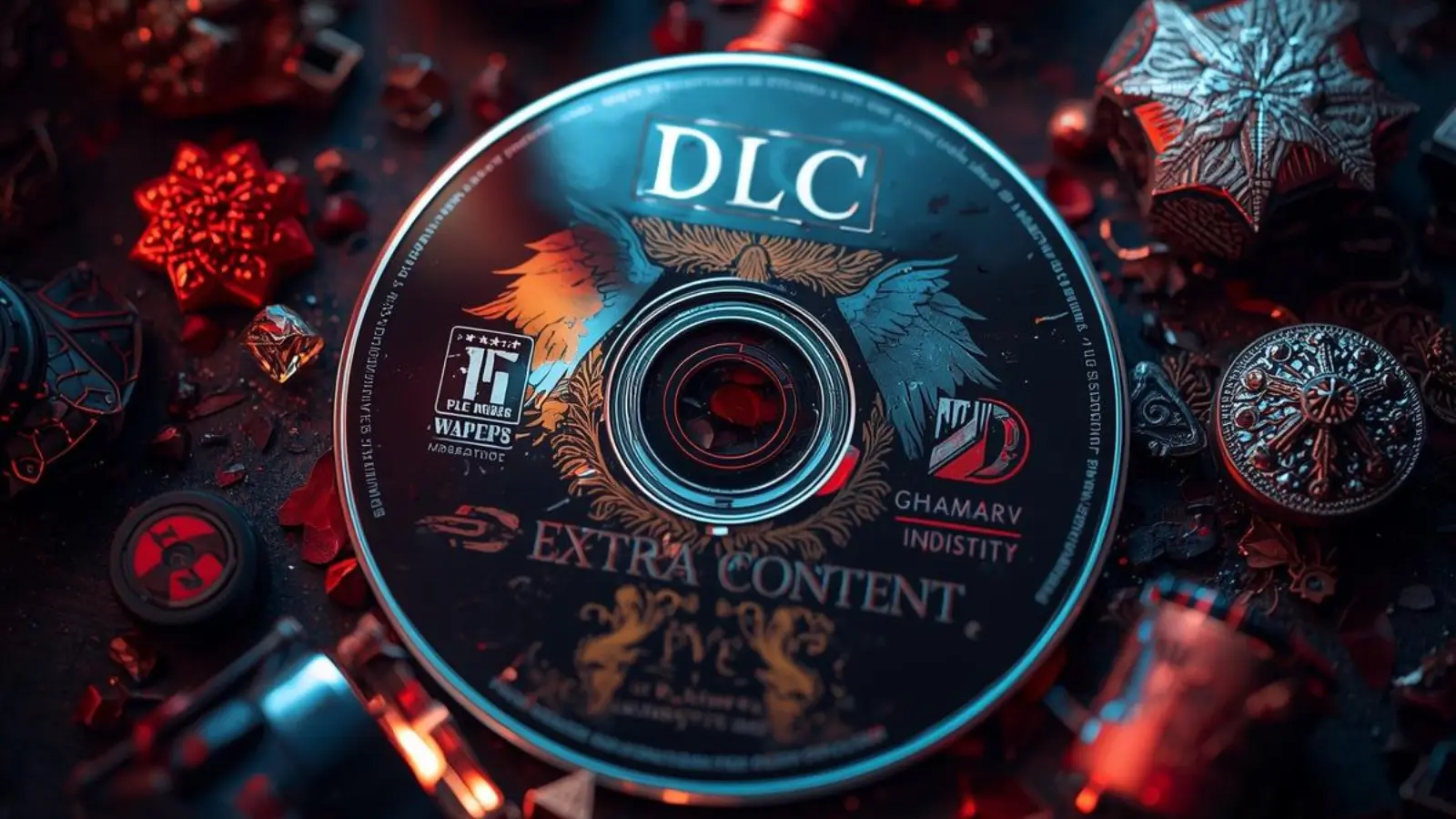
DLC most commonly stands for Downloadable Content, which refers to extra digital content added to a game, app, or digital product after its original release.
⚡ Quick Answer: What Does DLC Mean?
DLC means “Downloadable Content.”
It refers to additional digital material—such as levels, features, or items—that users can download after the main product is released.
📚 What Does DLC Mean in Different Contexts?
## What Does DLC Mean in Texting and Messaging?
In texting, DLC usually keeps its original meaning, but it’s used more casually.
Common texting meanings:
- Downloadable Content
- Extra features or add-ons
- Bonus material
Example:
“Did you get the DLC for that game yet?”
In rare cases, friends may jokingly use DLC to mean:
- “Extra effort”
- “Bonus attention”
## What Does DLC Mean in Love and Relationships?
In relationships, DLC is not a traditional romantic term, but it can be used playfully.
Possible relationship meanings:
- Extra care or affection
- “Bonus” love beyond the basics
Example:
“Flowers were nice, but the handwritten note was DLC 💙”
Here, DLC means something extra that makes the moment more special.
## What Does DLC Mean in Slang and Casual Language?
As slang, DLC refers to anything added on later.
Casual meanings include:
- Bonus features
- Extra perks
- Something optional but valuable
Example:
“The trip was fun, but the beach day was pure DLC.”
## What Does DLC Mean on Social Media (TikTok, Instagram, Snapchat)?
On social platforms, DLC is often used humorously or creatively.
Popular social media uses:
- Extra content not originally planned
- Behind-the-scenes moments
- Bonus clips or photos
Example captions:
- “Posted the main vlog yesterday—today’s stories are DLC 😎”
- “That smile was DLC, not in the script”
On TikTok especially, DLC often means “unexpected extra content.”
## Spiritual or Symbolic Meaning of DLC
DLC has no official spiritual meaning, but symbolically, some people interpret it as:
- Personal growth beyond the basics
- Extra blessings or life lessons added over time
Symbolically, DLC can represent growth after experience.
## Numerology or Cultural Meaning of DLC
There is no recognized numerology meaning for DLC.
Culturally, it is strongly linked to:
- Gaming culture
- Digital media
- Modern internet slang
🧠 Examples & Usage of DLC
| Context | Example |
| Gaming | “This DLC adds a new map and characters.” |
| Texting | “That surprise was DLC, for sure.” |
| Social Media | “Behind-the-scenes pics = DLC 📸” |
| Relationships | “Your support is DLC in my life.” |
Context matters:
- In gaming → official content
- In texting → extra effort or bonus
- On social media → unexpected extras
❓ Frequently Asked Questions About DLC
### What Does DLC Really Mean?
DLC really means “Downloadable Content.”
It refers to additional content added after the main release.
### Is DLC Positive or Negative?
DLC is usually positive, especially when it adds value.
However, some people feel negative if DLC costs extra money.
### Is DLC Romantic?
DLC is not inherently romantic, but it can be used playfully to describe extra affection or effort.
### How Should Someone Reply to DLC?
Your reply depends on context:
- Gaming: “Is it free or paid DLC?”
- Casual: “Haha, love that extra!”
- Social media: “Best DLC ever 🔥”
🏁 Conclusion
DLC means “Downloadable Content,” but its meaning changes based on context. In games, it refers to official add-ons. In texting and social media, it often means extra effort, bonus content, or something unexpected but appreciated.
Now that you understand what DLC means in every situation, you can confidently use it—or reply to it—without confusion.
