
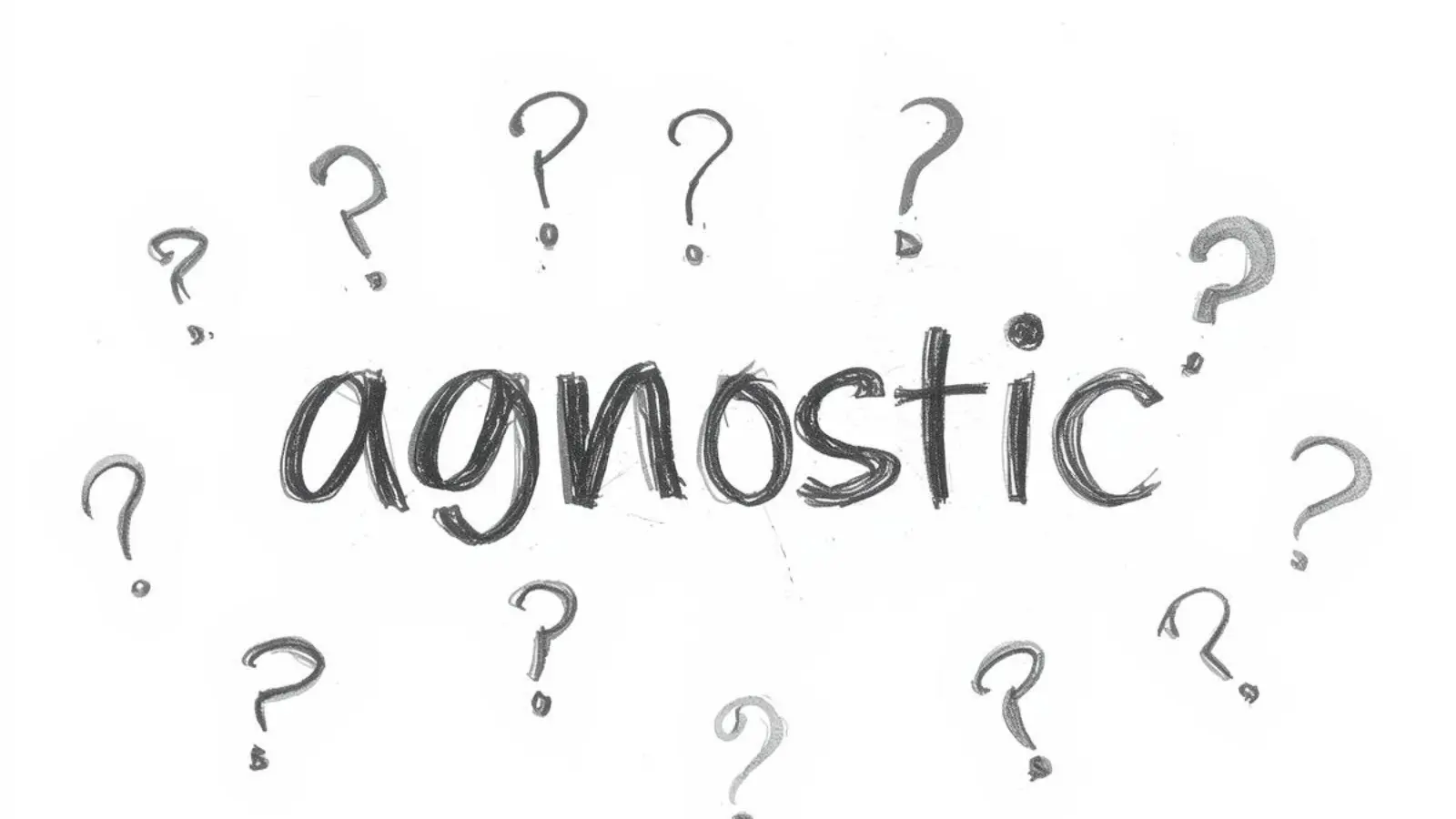
In recent times, the term “agnostic” has been trending online.
People are curious about what it really means, especially as it appears in conversations about spirituality, personal beliefs, and even casual messaging.
If you’ve come across someone identifying as agnostic or using the term in texts or social media, understanding its meaning can clarify a lot.
Simply put, an agnostic is a person who is unsure or undecided about the existence of God, higher powers, or certain beliefs, often taking a neutral or questioning stance rather than committing to a definitive answer.
⚡ Quick Answer
An agnostic is someone who does not claim to know whether God or higher powers exist. It can also refer more broadly to being uncertain or undecided about any strongly held belief.
📚 Meaning of Agnostic in Different Contexts
In Texting and Messaging
When someone says they are agnostic in a text, it usually means they are unsure or open-minded about certain topics. For example:
- “I’m agnostic about astrology; I’m not sure if it really works.”
- “She’s agnostic when it comes to politics, she doesn’t pick sides.”
Here, it signals neutrality or uncertainty rather than disinterest.
In Love and Relationships
In relationships, agnostic can describe someone who is cautious or uncertain about emotional commitment. For instance:
- “He’s agnostic about dating right now; he’s not ready to commit.”
- “She’s agnostic when it comes to love, preferring to keep things casual.”
It conveys open-mindedness without fully committing, which is important in understanding emotional boundaries.
In Slang and Casual Language
In slang or everyday speech, agnostic can simply mean unsure, undecided, or indifferent about a topic:
- “I’m agnostic about this movie—it was okay, not great.”
- “He’s agnostic on the new app; doesn’t really care either way.”
It’s often used humorously to indicate someone’s lack of strong opinion.
On Social Media Platforms (TikTok, Instagram, Snapchat)
Social media users may use agnostic to express openness or neutrality in polls, captions, or debates. Example captions include:
- “Agnostic vibes only 🌌”
- “Team coffee? I’m agnostic ☕”
It has become a trendy way to indicate curiosity or hesitation without judgment.
Spiritual or Symbolic Meaning
Spiritually, an agnostic is someone who questions religious doctrines and prefers to explore beliefs independently. They do not deny the existence of higher powers but remain unconvinced without evidence.
- This approach is symbolic of open-mindedness, skepticism, and personal exploration.
Numerology or Cultural Meaning
While agnosticism is not tied directly to numerology, culturally it reflects:
- Neutrality: Not taking extreme positions
- Curiosity: Desire to explore and understand
- Skepticism: Questioning commonly accepted beliefs
It can indicate a balanced and thoughtful approach to life.
🧠 Examples & Usage
Here are a few real-life examples showing how agnostic is used:
| Context | Example | Meaning |
| Texting | “I’m agnostic about going to the party tonight.” | Unsure or neutral decision |
| Relationship | “She’s agnostic on dating apps.” | Cautious or non-committal |
| Social Media | “Agnostic coffee lover ☕ #morningvibes” | Neutral or playful tone |
| Spiritual | “He’s agnostic, exploring different religions.” | Uncertain about religious beliefs |
Context matters: In casual conversation, agnostic often means neutral or undecided, while in spiritual contexts, it refers to questioning beliefs.
❓ Common Questions About Agnostic
What does agnostic really mean?
It means uncertain or non-committal about a belief, often about God or religion, but can apply to any undecided topic.
Is agnostic positive or negative?
It is neutral. It reflects open-mindedness rather than a positive or negative stance.
Is agnostic romantic?
Not inherently. In relationships, it may describe someone who is hesitant or non-committal emotionally.
How should someone reply to agnostic?
Respect their uncertainty or neutrality. For example:
- “That’s fair, thanks for sharing your perspective.”
- “I get it, everyone has their own journey.”
🏁 Conclusion
In simple words, agnostic means being unsure or neutral about beliefs or opinions, especially regarding spiritual or religious matters.
It reflects curiosity, open-mindedness, and personal exploration.
Whether you see it in texts, social media, or conversations, now you understand the term fully and can use it appropriately in different contexts.
