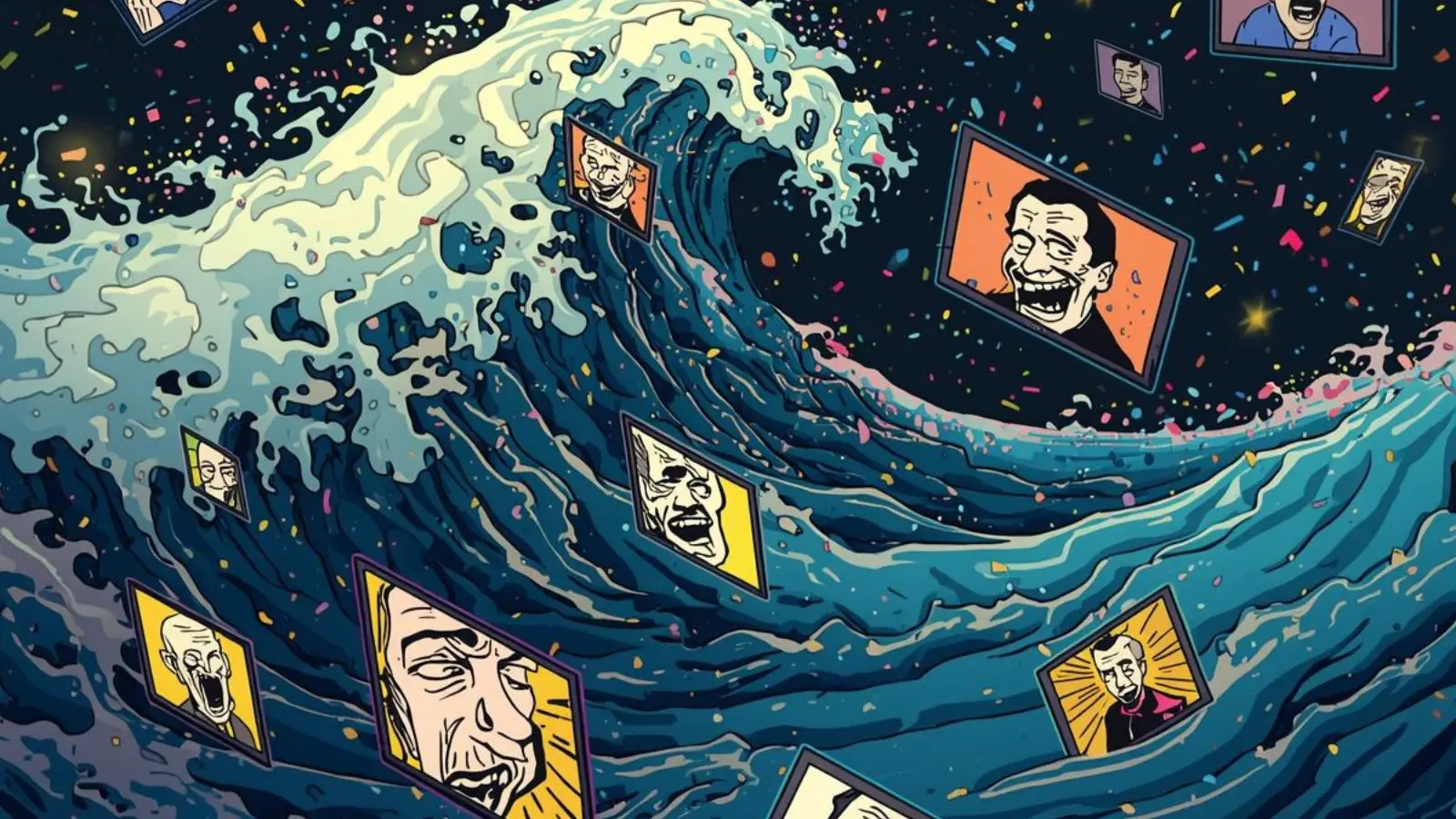
Mean jokes are trending because people keep seeing them in texts, memes, TikTok videos, and comment sections—and they’re often confused about whether they’re meant to be funny or hurtful. As humor becomes faster and more sarcastic online, many are searching for the true meaning of mean jokes to understand intent and avoid misunderstandings.
Mean jokes are jokes that use sarcasm, teasing, or insults to get a laugh, sometimes crossing the line from playful humor into hurtful territory. They may sound funny to some people, but uncomfortable or offensive to others—especially without clear context.
⚡ Quick Answer
Mean jokes are jokes that rely on mocking, sarcasm, or making fun of someone, often in a sharp or harsh way. Whether they are funny or offensive depends on context, tone, and the relationship between people.
📚 Meaning of Mean Jokes in Different Contexts
Mean Jokes in Texting and Messaging
In texting, mean jokes often lack tone, which makes them easy to misinterpret.
- Can look rude or insulting without emojis
- Often used between close friends who understand each other
- Can cause arguments if taken seriously
Example:
“Wow, you’re really bad at this 😂”
With a laughing emoji, it feels playful. Without it, it may feel offensive.
Mean Jokes in Love and Relationships
In relationships, mean jokes can be risky.
- Light teasing can build closeness
- Repeated mean jokes can hurt feelings or damage trust
- If one person feels uncomfortable, it’s no longer a joke
Healthy rule: If it hurts your partner, stop—even if you meant it “as a joke.”
Mean Jokes in Slang and Casual Language
In slang, mean jokes are often called:
- Roasting
- Savage jokes
- Dry humor
- Dark humor (sometimes)
These jokes are common in friend groups where everyone expects teasing.
Mean Jokes on Social Media (TikTok, Instagram, Snapchat)
On social platforms, mean jokes are very common:
- Comment roasting on viral posts
- “Savage” captions for humor
- Meme culture that mocks situations or people
Important: What gets likes online may still hurt someone offline.
Spiritual or Symbolic Meaning of Mean Jokes
Spiritually, mean jokes can symbolize:
- Unresolved anger
- Low empathy
- Defense mechanisms (using humor to hide pain)
Many belief systems encourage kind speech, reminding that words—even jokes—carry energy.
Numerology or Cultural Meaning (If Applicable)
Culturally, some societies see mean jokes as:
- A sign of closeness (friendly teasing)
- A test of emotional strength
- A form of bonding humor
Other cultures view them as disrespectful, especially toward elders or strangers.
🧠 Examples & Usage of Mean Jokes
Sample Text Messages
- “Nice job… did you even try?”
- “You call that fashion?”
- “Congrats on being late again.”
Social Media Captions
- “Me watching my friend fail again 😭”
- “This outfit is a crime 💀”
How Context Changes Meaning
| Context | Meaning |
| Close friends | Playful teasing |
| New relationship | Risky or hurtful |
| Online comments | Often offensive |
| Family humor | Depends on culture |
❓ Common Questions About Mean Jokes
What does mean jokes really mean?
Mean jokes are humor based on teasing or mocking, which may feel funny or hurtful depending on the situation.
Are mean jokes positive or negative?
They can be both. Positive when mutual and playful, negative when they hurt feelings.
Are mean jokes romantic?
Sometimes playful teasing can be romantic—but only if both people enjoy it.
How should someone reply to mean jokes?
You can:
- Laugh it off if you’re comfortable
- Respond with another joke
- Set a boundary if it feels hurtful
Example response:
“Haha, okay—but that one actually stung a bit.”
🏁 Conclusion
Mean jokes are jokes that use sarcasm or teasing, and their meaning changes based on tone, intent, and relationship. They can be funny among friends but harmful when misunderstood or overused.
Now you fully understand what mean jokes are, how to recognize them, and how to respond wisely in any situation.
