

Slang doesn’t just change every year — it changes every week. And if you hang around TikTok comments, Twitter threads, or group chats long enough, you’ve probably seen the term 🚀feining meaning in slang🚀 pop up. It looks like a typo, it sounds chaotic, and it definitely sparks curiosity.
But what does it really mean?
Why do people use it?
And how do you understand it in everyday conversations without sounding confused or outdated?
Let’s break it all down in the simplest, most Gen-Z way possible.
🔍 Quick Answer (30-Second Explanation)
“Feining” is a slang way of saying someone is craving, wanting, begging, or doing the most to get something.
It describes intense desire — usually exaggerated for humor online.
People say someone is “feining” when they’re:
- acting desperate for attention
- overly eager for a reply
- obsessed with someone or something
- dramatically wanting a trend, item, or reaction
It’s a playful, dramatic way to talk about strong desire — usually used as a joke, not something serious.
🔥 Understanding the Origin of the Term

Even though “feining” looks like a misspelling, it comes from the way people casually talk online. It’s a phonetic, exaggerated version of “fiending,” which originally meant craving something intensely.
Over time, Gen-Z turned it into a more dramatic, meme-ready version.
Now it’s used everywhere — not for serious craving, but for:
- attention
- validation
- clout
- food cravings
- celebrity obsessions
- crushes
- trends
- aesthetics
It’s basically slang for someone being down bad over something — but funnier.
📱 How Gen-Z Uses It Online (With Examples)
Below are simple, everyday examples that make the meaning super clear.
1. Someone wanting a text back
“Bro sent 5 messages in 2 minutes, he’s feining for a reply 💀”
2. When your friend sees their crush
“Why you staring so hard?? You feining.”
3. When someone can’t stop talking about a trend
“You still talking about that filter?? You really feining for attention.”
4. When someone is obsessed with a food item
“Not you feining for iced coffee at 7 AM 😭☕”
5. When someone is desperate for drama
“Girl is in the comments feining for a fight.”
It always implies exaggeration — like a playful call-out, not a serious accusation.
💬 Why People Use the Term (Online Culture Breakdown)
Slang isn’t random — it reflects online behavior.
The reason this term exploded is because it perfectly fits modern internet energy.
1. It’s dramatic — and Gen-Z loves exaggeration
It makes everything sound funnier and extra.
2. It’s flexible
It works for crushes, food cravings, attention, or vibes.
3. It’s easy to drop in comments
Short, snappy slang = viral culture.
4. It expresses a feeling everyone understands
We all crave things sometimes — jokes make it relatable.
5. It fits meme language
The term instantly gives posts humor and personality.
⚡ The Tone Behind the Word (This Part Matters)
Slang always has a tone. And this one?
It’s almost always used in a teasing, playful, or joking way.
Not serious. Not insulting. Not harsh.
Just dramatic humor.
Think of it like saying:
- “You’re doing too much.”
- “Relax.”
- “Chill, it’s not that deep.”
- “You want it THAT badly??”
It’s the equivalent of raising an eyebrow at someone who is acting extra.
🧠 Similar Phrases & LSI Terms (Semantic-Friendly List)
To help with clarity and NLP understanding, here are related concepts people often search for:
- “down bad”
- “pressed”
- “thirsty”
- “obsessed”
- “craving something”
- “acting desperate”
- “doing the most”
- “extra behavior”
- “simping”
- “attention-seeking energy”
These all express intense desire or eagerness, depending on the context.
📚 When You Should Not Use the Term
Even though slang is fun, context matters a lot.
Avoid using this term in situations that are:
- formal or professional
- serious
- sensitive
- personal struggles
- anything health-related
Keep it light, playful, and online — where it belongs.
🎭 Different Contexts & Meanings (With Mini Scenarios)
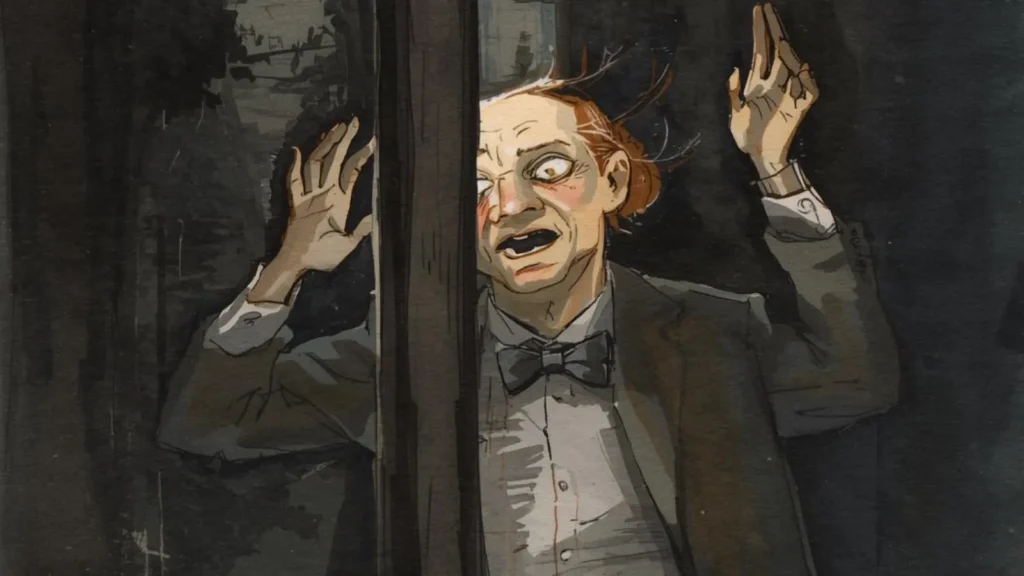
To make the usage even clearer, here are breakdowns by vibe:
1. The Crush Scenario
Situation: Your friend keeps checking their phone for a message.
Use:
“He’s refreshing his texts every 10 seconds. He’s feining for her.”
2. The Food Obsession Scenario
Situation: Someone won’t stop talking about pizza.
Use:
“You’re feining for pizza like you haven’t eaten in a week.”
3. The Trend Chasing Scenario
Situation: Someone keeps posting about a TikTok challenge.
Use:
“Not you feining for views with that dance again 😭”
4. The Attention-Seeking Scenario
Situation: Someone keeps posting dramatic stories.
Use:
“She’s feining for attention today, omg.”
5. The Entertainment Scenario
Situation: Someone loves chaos.
Use:
“You’re only here because you’re feining for drama.”
📈 Why This Slang Term Keeps Trending
It lives everywhere — scrolling TikTok, group chats, meme pages, and even in casual conversations.
Why? Because it captures a universal Gen-Z truth:
We all get excited about things, and sometimes we act extra about them.
And exaggerating that energy makes it funnier.
Top reasons for its popularity
- Highly relatable
- Meme-friendly
- Short and punchy
- Expresses a clear emotion
- Fits perfectly in teasing conversations
- Viral potential in comments and captions
Every year, some slang rises and some fades, but this one sticks because it hits a social nerve — dramatic craving.
📌 How to Use It Correctly Without Sounding Awkward
You can easily drop it into a sentence if:
- the situation is lighthearted
- someone is acting overly eager
- it’s meant as a joke
- you’re talking to friends or peers
- you’re commenting under memes or TikTok posts
Tips to use it naturally
- Keep sentences short
- Use emojis — they match the tone
- Avoid serious contexts
- Use it sparingly for effect
- Make sure the vibe is playful
Examples you can safely use
- “Stop feining for that outfit already 😭”
- “She’s feining for clout at this point.”
- “Be honest, you’re feining for that attention.”
- “He posted that story because he’s feining for a reaction.”
✨ Final Breakdown (In Simple Gen-Z Language)
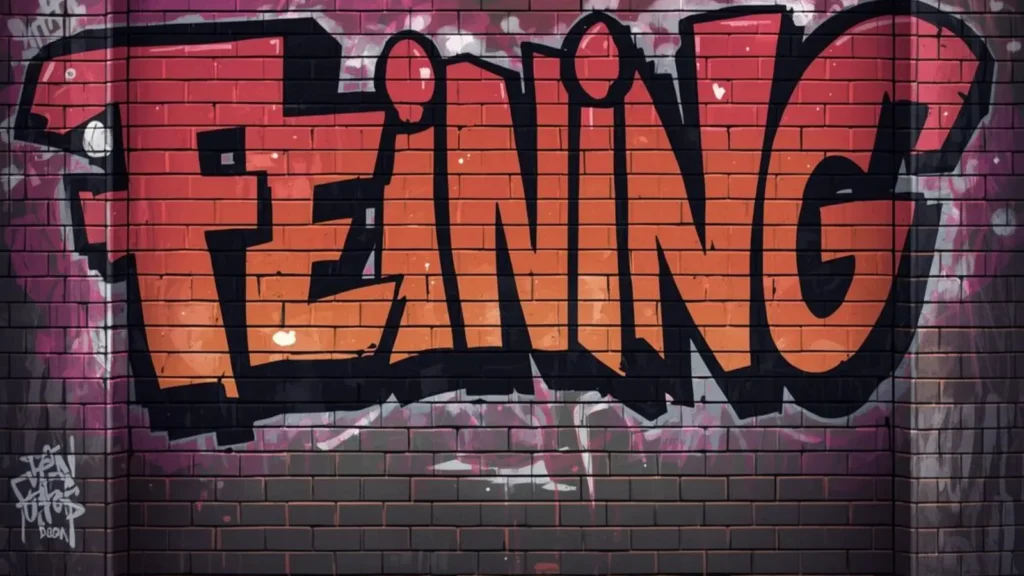
When someone is feining, they’re basically:
- doing too much
- wanting something intensely
- being dramatic about it
- or going all in for attention
It’s teasing, funny, and a little chaotic — but never serious.
That’s why it works so well on TikTok, IG, Snapchat, and everywhere Gen-Z hangs out.
🧩 Conclusion: Why Understanding This Slang Matters
Modern slang isn’t just language — it’s culture.
When you understand terms like this, you understand:
- online behavior
- Gen-Z communication
- meme culture
- social media humor
- how people express desires and reactions
And now you fully get what the word means, how to use it, and how not to use it.
Whether you’re scrolling TikTok, replying to friends, or decoding comment sections, you’ll never get lost in the slang again.
