Social media slang moves fast. One phrase pops up, goes viral, and suddenly everyone is using it—sometimes without fully understanding what it means or how it affects others.
One term that’s been floating around TikTok, Instagram, and comment sections recently is 🚀big back mean🚀—and yes, people are curious about what it actually implies, where it came from, and whether it should even be used at all.
This article breaks everything down in a clear, Gen-Z-friendly way. No confusion. No fluff. Just real explanations, examples, and context—plus a responsible take on how language impacts people.
Quick Answer
In short: the phrase is online slang usually used to comment on someone’s body from behind, often in a mocking or insulting way.
It’s commonly tied to body-shaming humor and is most often seen in jokes, memes, or comments on social media posts. While some people use it casually, it can easily come across as disrespectful or hurtful.
Where This Slang Comes From
Internet slang rarely comes from dictionaries. It comes from:
- Meme culture
- TikTok comment sections
- Reaction videos
- Group chats
- “Joke-first, think-later” humor
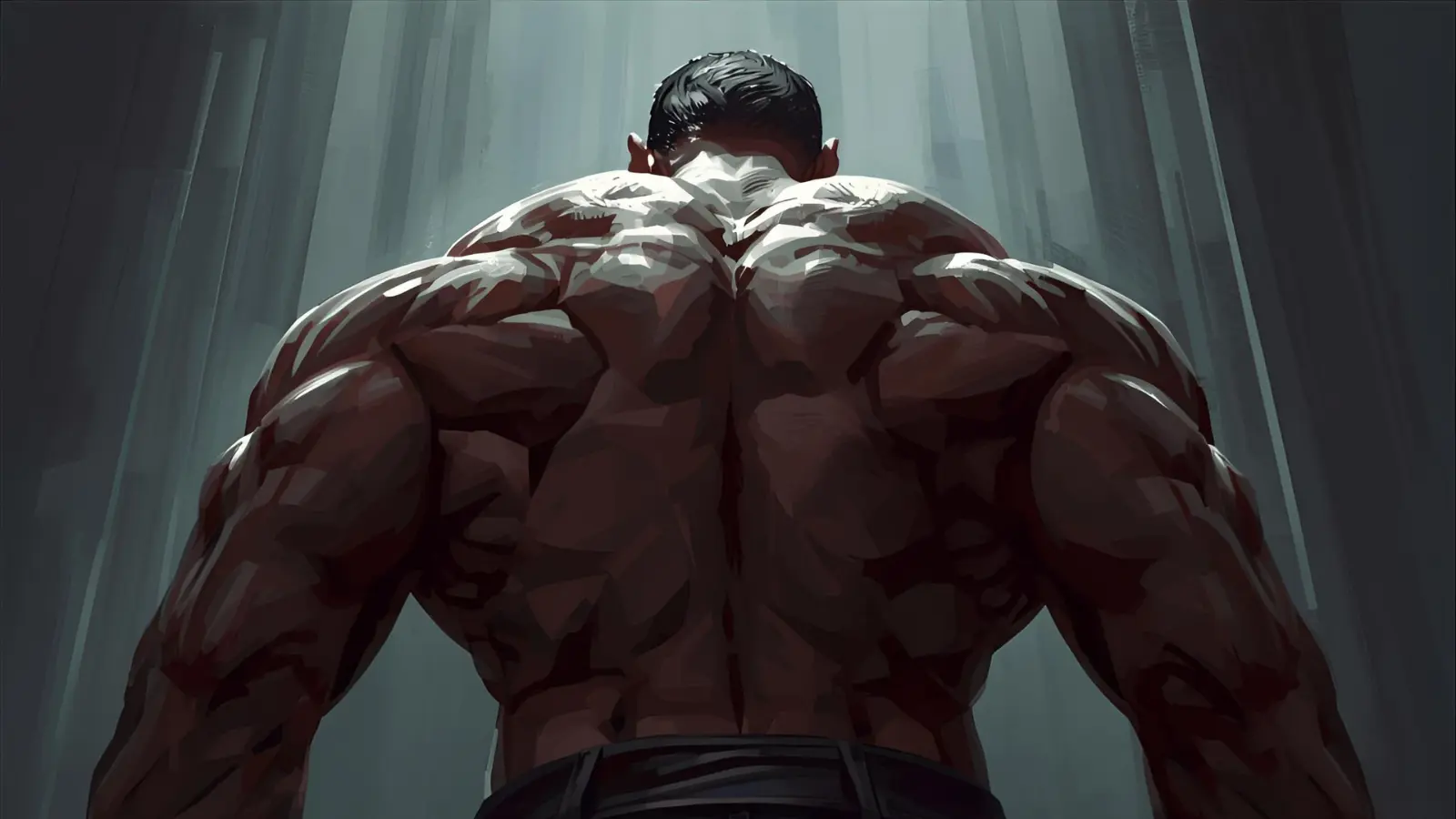
This expression started showing up more frequently as short-form video platforms grew. People needed quick, punchy phrases to react to visuals, especially videos filmed from behind or side angles.
Over time, it became part of roast culture, where exaggeration is used for laughs—even if it crosses a line.
How People Commonly Use It Online
You’ll usually see this phrase in places like:
- TikTok comments under outfit videos
- Instagram Reels reactions
- Screenshot memes on Twitter/X
- Group chats joking about viral clips
Typical usage scenarios
- Reacting to a video shot from behind
- Making fun of posture, clothing, or body angle
- Trying to be “funny” without much context
Most of the time, it’s not used as a compliment.
Is It a Compliment or an Insult?
Let’s be honest.
In most cases, it’s negative.
While slang can sometimes be reclaimed or flipped into something playful, this one is usually intended as a joke at someone else’s expense. Even when people claim they’re “just kidding,” the tone often implies criticism of body shape.
That’s why it frequently falls under body-shaming language, whether the speaker realizes it or not.
Why This Type of Slang Spreads So Fast
There are a few reasons phrases like this explode online:
- Short and catchy
- Easy to type in comments
- Fits meme culture perfectly
- Feels edgy or bold
- Gets reactions quickly
On social media, attention is currency. The more shocking or blunt a phrase is, the faster it spreads—even if it’s not kind.
The Role of Meme and Roast Culture
Roast culture has always existed. The internet just amplified it.
In meme spaces:
- Exaggeration = humor
- Insults = engagement
- Shock value = likes
But the downside is that real people are often on the receiving end. What feels like a joke to one person can feel personal and hurtful to another.
Why Some People Find It Harmful
This is where context really matters.
Language that focuses on body shape can:
- Reinforce unrealistic standards
- Make people self-conscious
- Normalize public criticism
- Encourage bullying behavior
Especially for teens and young users, repeated exposure to these comments can affect confidence and self-image.
That’s why many creators now delete or block comments using phrases like this.
Can the Meaning Change Over Time?
Yes. Slang always evolves.
Some terms that started as insults later became:
- Neutral descriptors
- Inside jokes among friends
- Completely outdated
However, that shift only happens when communities intentionally change how a phrase is used. Until then, most people will still read it as an insult.
Better Alternatives to Use Online
If the goal is humor or engagement without being harmful, there are better options.
Instead of commenting on someone’s body, try:
- Reacting to the outfit style
- Complimenting confidence or energy
- Commenting on the vibe of the video
- Using neutral humor emojis
- Saying nothing at all
Silence is also a valid option.
Why Brands and Creators Avoid This Language
From an SEO, branding, and reputation standpoint, phrases tied to body-shaming are risky.
Brands avoid them because:
- They violate community guidelines
- They can spark backlash
- They hurt trust and credibility
- They don’t align with inclusive messaging
Creators who want long-term growth usually moderate comments to keep their spaces respectful.
Cultural Context Matters
One important thing to understand:
Not everyone interprets slang the same way.
What feels like a harmless joke in one friend group can feel insulting in another culture or age group. Online spaces mix people from everywhere, which means intent doesn’t always equal impact.
How Gen-Z Is Shifting the Conversation
Interestingly, Gen-Z is also leading the pushback.
You’ll now see:
- Call-outs against body-shaming
- Viral posts promoting body neutrality
- Creators addressing harmful comments directly
- Humor that punches up instead of down
Language is changing again—and this time, empathy is part of the trend.
Final Thoughts
Slang reflects culture. And culture reflects values.
This particular phrase might seem small or “just a joke,” but it sits at the intersection of humor, body image, and online behavior. Understanding what it implies—and choosing how to respond—matters more than repeating a trend.
Being trendy doesn’t mean being careless.
Being funny doesn’t require putting someone else down.
Language evolves when people decide it should.

Olivia captions mein warmth aur family-oriented vibes laati hai — anniversary posts ke liye cozy feels deti hai.